
Garage Door Repair in Elmwood Park
Garage Door Repair for Elmwood Park's 1950s Housing Stock
Elmwood Park's houses date mostly to 1956, older than the wider service area. We fix the extension-spring and low-headroom setups that come with that era, from a 3-mile run out of Oak Park.
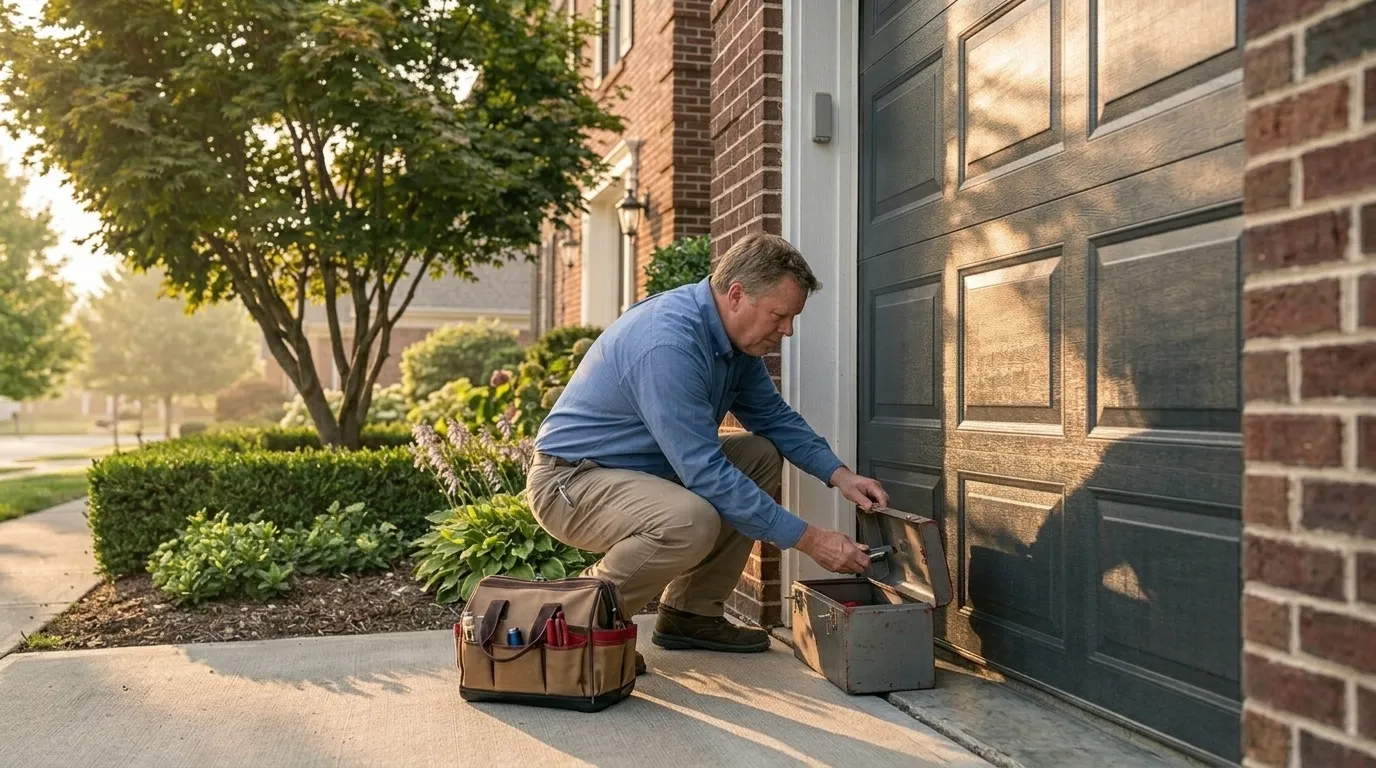
What Happens When You Call
-
1
Call or Request a Quote
Tell us what the door is doing and roughly how old the house is - that alone points us toward the likely part before a truck leaves.
-
2
On-Site Diagnosis
A tech checks the spring, cables, tracks, and opener in person and tells you plainly what is actually wrong.
-
3
Straight Price, No Surprises
You get a number before any work starts. It covers parts and labor, nothing added after the fact.
-
4
Fixed the Same Visit
Most repairs are done in one trip. If a part needs sourcing, we tell you that upfront instead of guessing.
What You Pay
We don't quote a flat number over the phone, because what a door needs depends on what's actually on the wall, and in Elmwood Park that's less predictable than it sounds. A house built in 1956 might still have its original extension-spring setup, or it might have been retrofitted twice since - once in the 80s, once more recently with a big-box torsion conversion. Those two jobs cost differently: a spring swap on an old extension system is a different bill than replacing a torsion shaft and drums.
What we can tell you is that Elmwood Park's median household income sits at $84,121, just above the $83,975 median for the wider area we cover - which tells us most repair decisions here come down to fix-versus-replace math rather than stretching a budget to the bone. We walk you through both numbers on-site: what the repair costs today, and what a full door and opener would cost if the hardware underneath is too far gone to trust. No pressure either way - some of these old setups have another decade in them with the right spring and a fresh set of rollers.
Booking a Visit
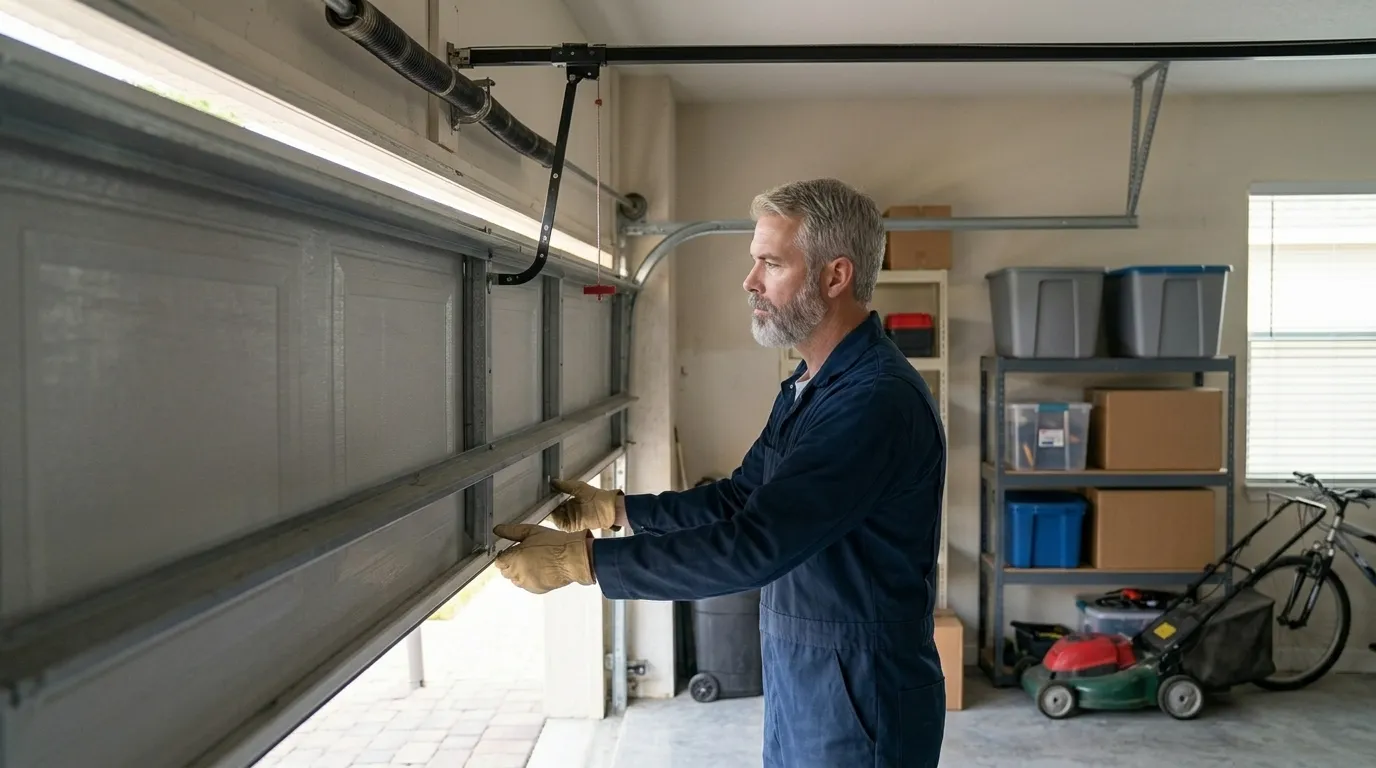
We run out of Oak Park, about 3 miles from Elmwood Park, so getting a truck to you isn't a long haul - but we're not a branch office sitting in town, and we won't pretend otherwise. Call, tell us what the door is doing (or not doing), and we schedule based on what you describe: a spring that let go is a same-visit priority, a noisy track that's been getting worse for months can wait for the next open slot.
Because a lot of the housing in Elmwood Park dates to the mid-1950s, we ask a few extra questions before we come out - whether the door has cables running alongside the springs, whether the opener is original or was added later, whether there's a manual release cord. Those answers tell us what to load on the truck. Showing up without the right torsion bar or the right length of extension spring means a second trip, and neither of us wants that.
The Symptom
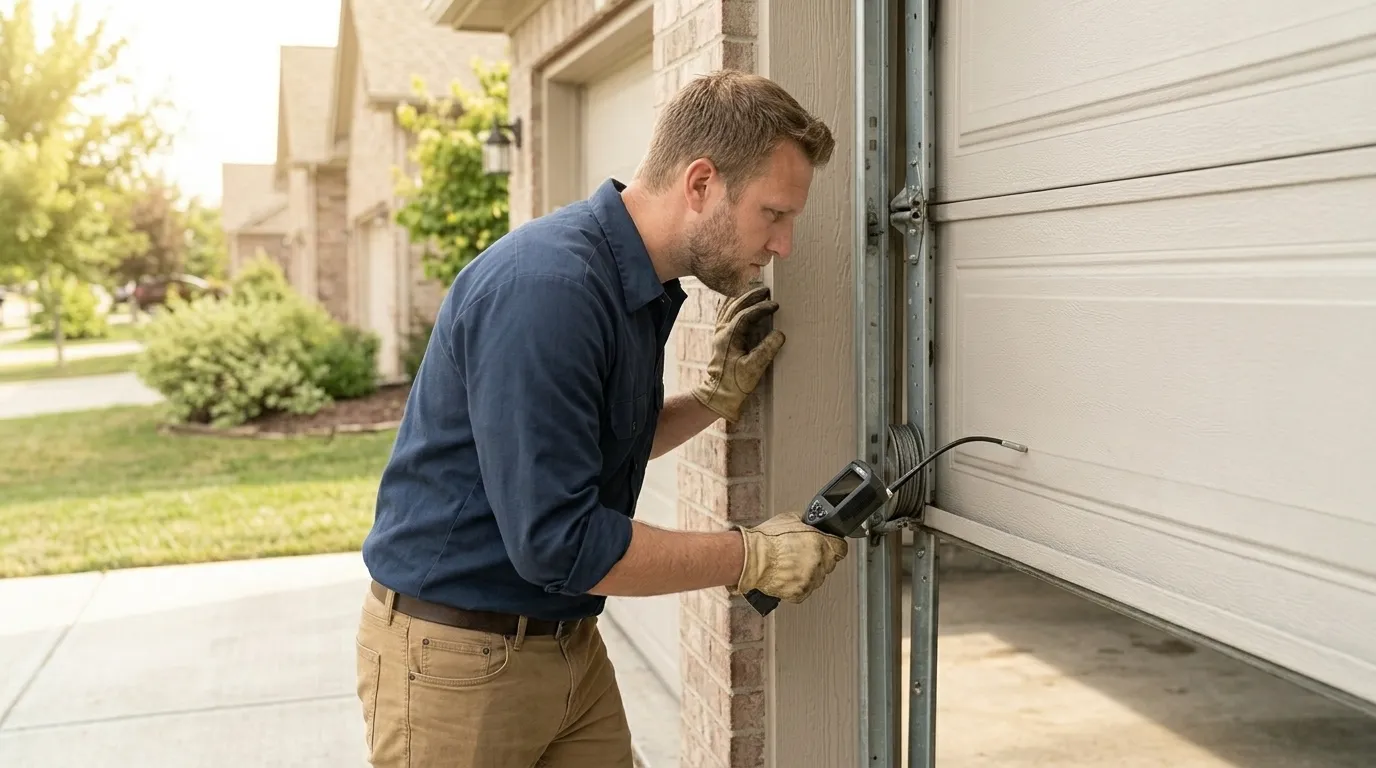
The calls we get from Elmwood Park skew toward one specific complaint: a door that slams down the last foot of travel instead of settling, or one side that drops faster than the other. Both point to worn or snapped extension springs - the kind mounted overhead along the horizontal track, common on doors installed before torsion springs became standard. Elmwood Park's housing runs older than the service area's overall median: the typical build year here is 1956, roughly a decade ahead of the 1965 median across the 85 areas we cover.
That decade matters. Extension-spring systems without a safety containment cable were still common well into the 1970s, and a lot of those originals or their direct replacements are still hanging in Elmwood Park garages today.
The other pattern: openers that cycle but the door barely lifts, or grinds partway up. On a house this age, that's often a spring that's lost tension gradually rather than snapped outright - the opener is doing all the lifting work the spring used to share, and it's losing. Cold weather makes both problems worse; the service area sits in a moderate-cold climate band, and stiff, cold steel doesn't flex the way it does in July.
What The Repair Takes
On an extension-spring door from this era, the job is usually the springs themselves plus a check of the pulleys and the safety cables if they exist - and if they don't, we add them, because that's not optional hardware anymore even on an old system. If the drums or track show wear from decades of that spring dragging unevenly, we replace what's worn rather than bolt a new spring to old fatigue.
Honest limitation: if the door is a full torsion conversion done badly at some point - wrong spring wind, undersized shaft - we sometimes recommend starting over with a proper torsion setup rather than chasing the original installer's shortcuts. That's a bigger job and a bigger bill, and we'll say so plainly rather than patch around it. We don't carry every obsolete extension-spring length on the truck; some of the oldest wind-and-length combinations from mid-century installs take an extra day to source, and we tell you that up front instead of promising same-day when it isn't true.
Talk to a Elmwood Park Technician First
Describe what the door is doing and get a straight answer on what it likely needs.
Other Garage Door Services in Elmwood Park
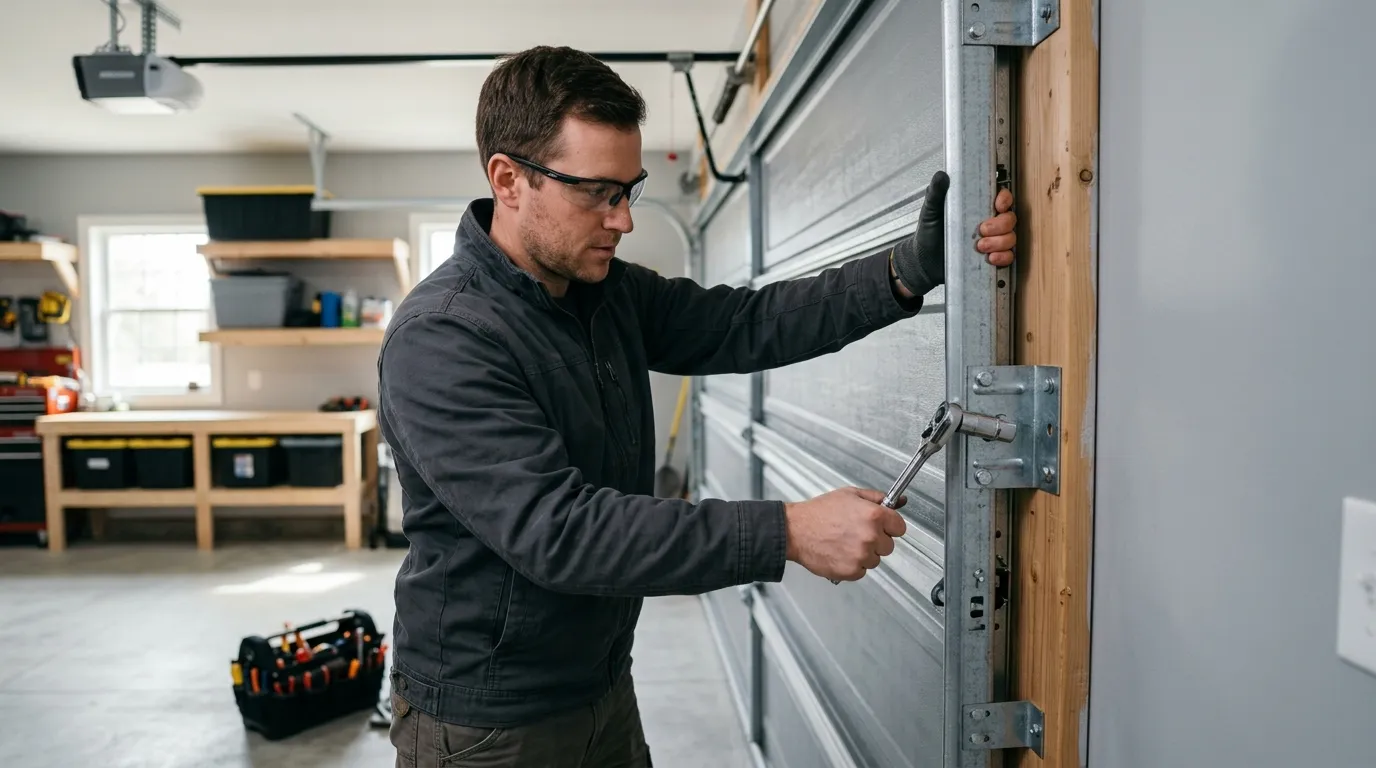
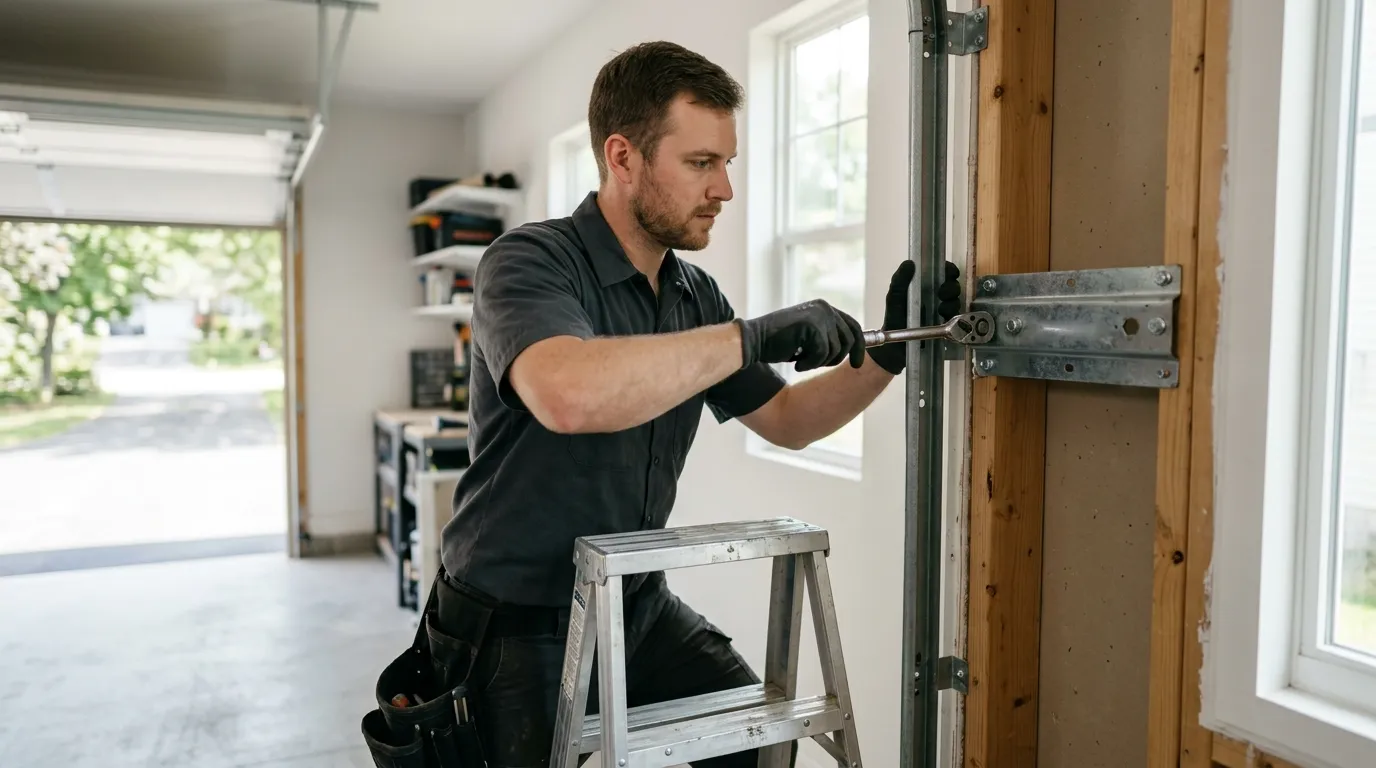
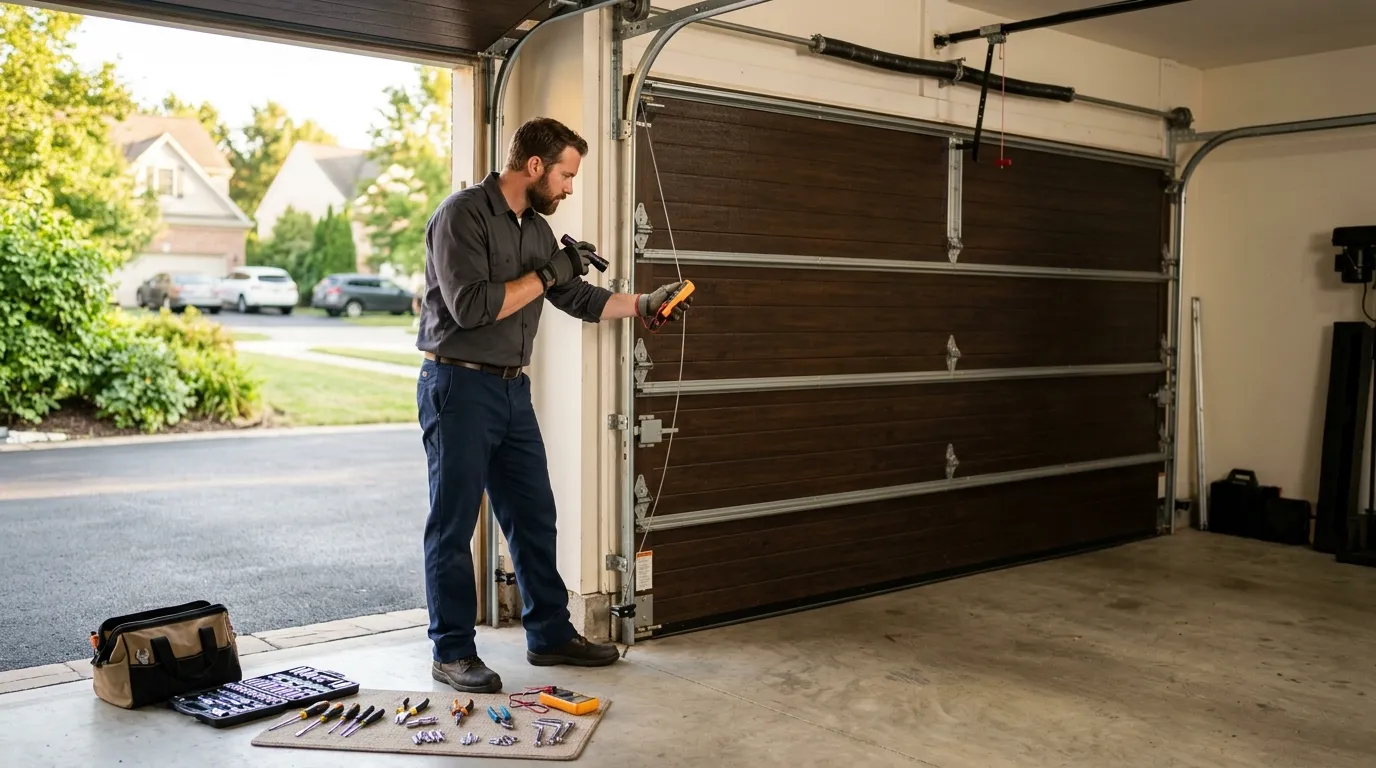
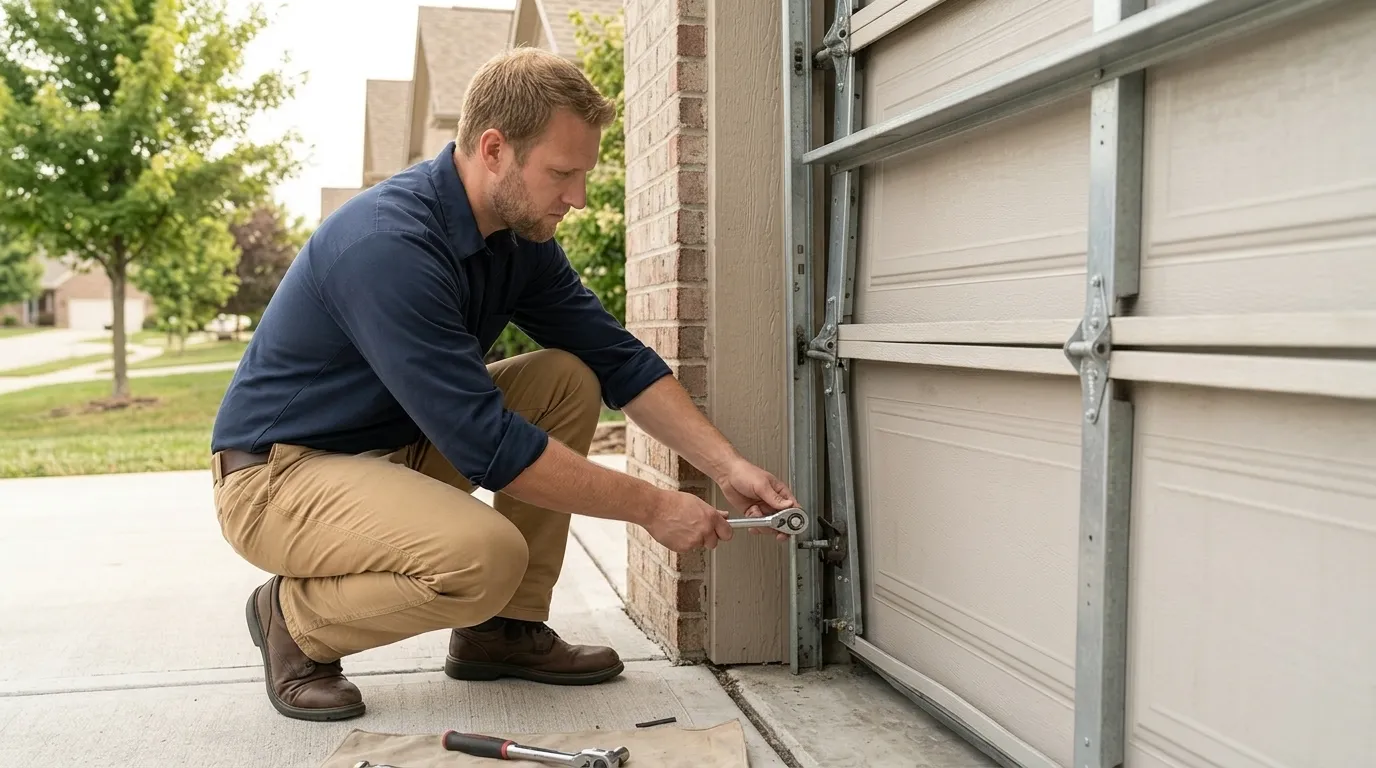
Recent Work in Elmwood Park
A look at jobs our crew has been on nearby.
Why Elmwood Park Calls Us
Frequently Asked Questions
Why do so many Elmwood Park garage doors still have extension springs instead of torsion springs?
Because a lot of the housing here was built around 1956, before torsion springs became the standard choice for residential garages. Extension springs mounted along the horizontal track were common through the 60s and into the 70s, and plenty of those original systems, or direct replacements of them, are still in use.
Do you have a location in Elmwood Park?
No. We operate out of Oak Park, about 3 miles away, and drive out for every job. There's no branch or depot in Elmwood Park itself, just a short trip from our shop.
Is it worth repairing an old spring system or should I replace the whole door?
Depends on the rest of the door. If the track, drums, and panels are sound, a spring and cable job can add years of life cheaply. If the door itself is warped or the hardware's been patched more than once, replacement usually costs less over time than repeated repair calls.
Does cold weather really affect garage door springs in Elmwood Park?
Yes. The area sits in a moderate-cold climate band, and steel springs and tracks lose some flex in winter. A spring that's already worn is more likely to give out on a cold morning than a mild one, which is why we see more calls in the colder months.
Need Garage Door Repair in Elmwood Park?
Call now for straight answers on cost and timing.