
Garage Door Service in Melrose Park
Garage Door Service for Melrose Park's 1950s Housing Stock
Melrose Park homes went up mostly in 1957, before torsion springs were standard. Oak Park Garage Door Pros knows the original hardware and drives the 4 miles to fix it.
What Happens When You Call
-
1
Call or Request a Quote
Tell us what the door is doing and roughly how old the house is - that alone points us toward the likely part before a truck leaves.
-
2
On-Site Diagnosis
A tech checks the spring, cables, tracks, and opener in person and tells you plainly what is actually wrong.
-
3
Straight Price, No Surprises
You get a number before any work starts. It covers parts and labor, nothing added after the fact.
-
4
Fixed the Same Visit
Most repairs are done in one trip. If a part needs sourcing, we tell you that upfront instead of guessing.
What the Repair Takes
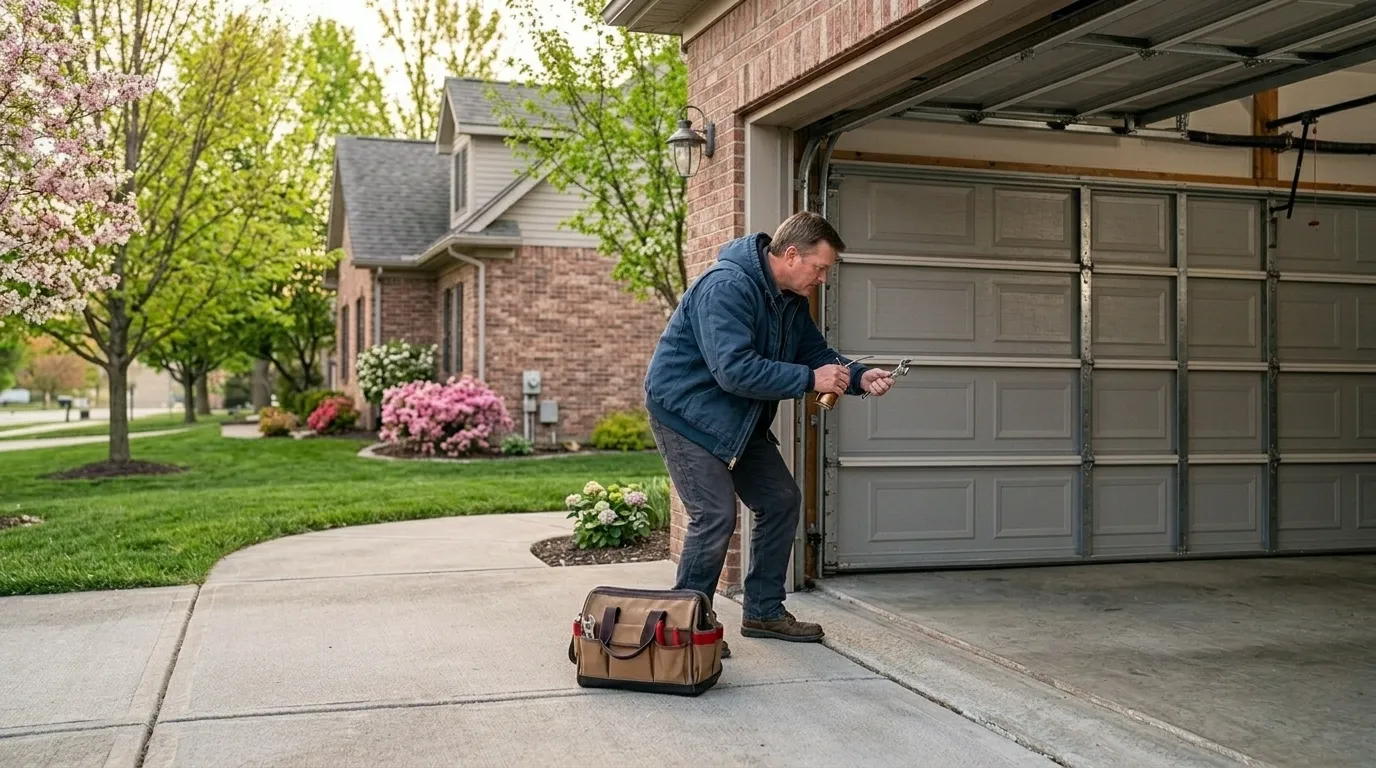
Most houses in Melrose Park went up around 1957, which puts a lot of the original garage doors right at the edge of what a extension-spring setup was built to handle. That era leaned on side-mounted extension springs and lighter steel sections, not the torsion bar and lift cables you'd find on anything built after the 1970s retrofits started spreading through this part of the county. When a door from that generation fails, it's usually the extension spring itself, a frayed pulley cable, or a track that's been bent from decades of a door that was never quite balanced right to begin with.
We drive out from Oak Park, about 4 miles away, and the first thing we check on a house this age isn't the opener - it's whether the door is still on its original hardware or whether a prior owner swapped in a torsion conversion at some point. That answer changes the whole job.
A straight spring replacement on the original setup is a different repair, with different parts, than converting the whole system to torsion while we're in there. We tell you which one you're actually looking at before we quote anything.
Booking a Visit
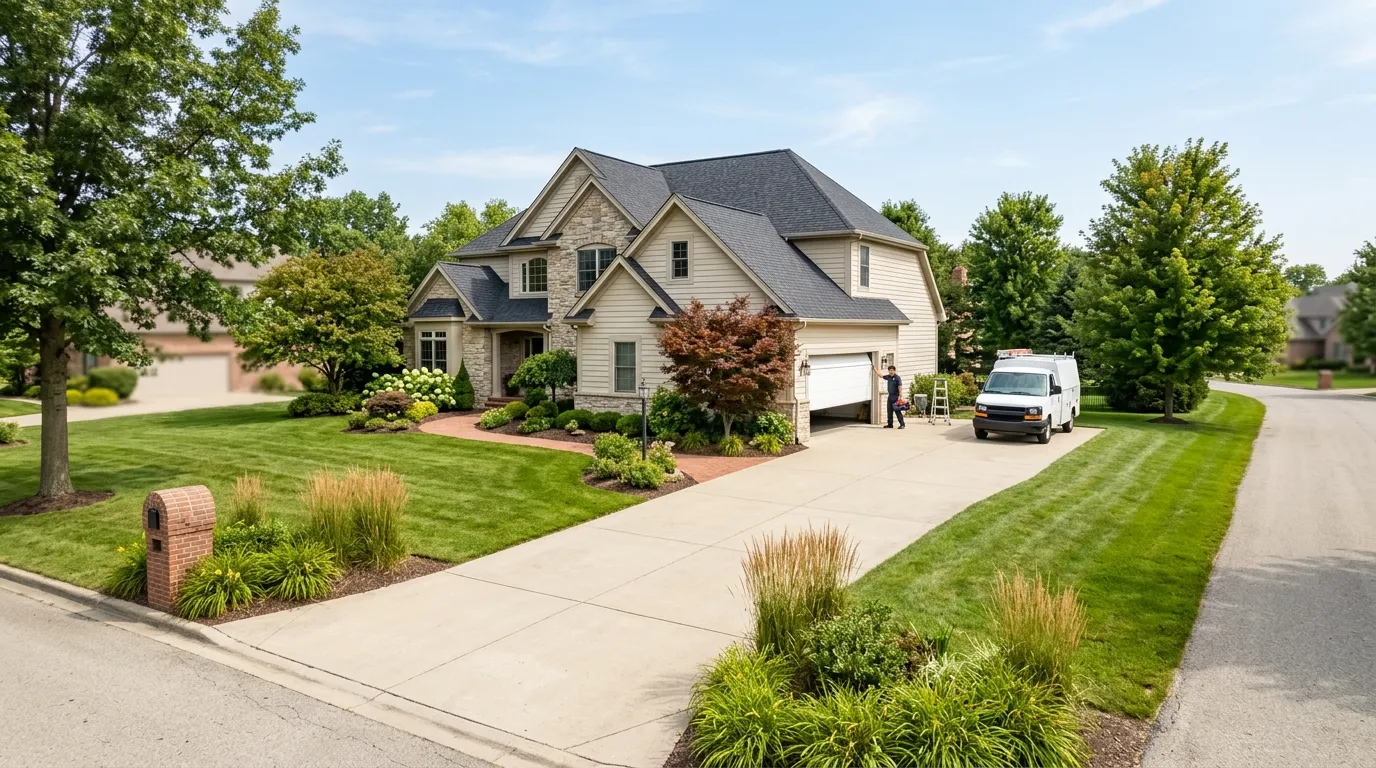
We work Melrose Park as part of the Oak Park service area, not as a separate branch - there's no depot here, just a truck that comes out. When you call, tell us the age of the house if you know it and whether the door has ever been worked on before.
On a street of mostly 1957-built homes, that one detail (original hardware vs. a past conversion) tells us more than a description of the symptom does.
You can see the full rundown of what we handle across the service area on the main Oak Park garage door service page, and the Melrose Park service page has the specifics for booking a visit here. We're not going to pretend we're faster because we're closer - 4 miles is 4 miles - but we do know what's usually behind the panel on a house from this build year before we open the garage door up.
Stocked Parts
For a service area where the median household sits at $64,740 in income and most of the roughly 8,321 households in Melrose Park are in houses from the 1950s and 60s, we carry extension springs and older-style pulley hardware on the truck, not just torsion parts. That's a direct response to what's actually on the doors out here - a lot of newer trucks in this trade stock torsion-only and end up special-ordering the older hardware, which means a second trip.
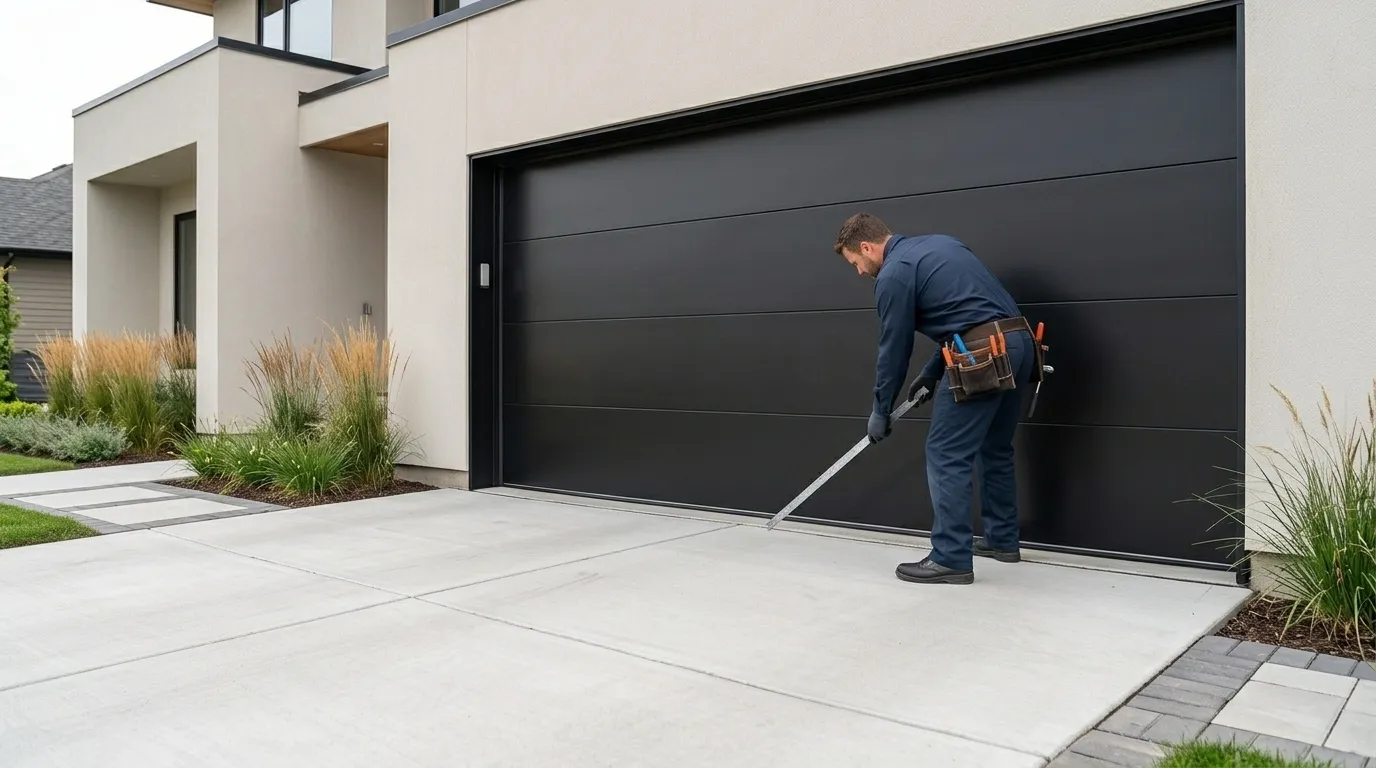
What we don't carry are obsolete panel sections for doors that haven't been made in decades. If your door is original steel from 1957 and a panel is bent past pulling straight, we're honest that full replacement is usually the better call than hunting down a matching section that doesn't exist anymore. Replacing one door on a house this age also tends to catch other things - like insulation that was never there to begin with - that are worth fixing at the same time.
Why It Happens Here
The Chicago area sits in a cold, moderate climate band, and a door built for a 1957 house wasn't engineered with today's insulation or weatherstripping standards in mind. Combine that with steel and springs that are now well past their rated cycle count, and cold-weather failures show up here more than they would on a newer door. Extension springs lose tension faster in temperature swings than torsion springs do, and that's exactly the hardware most common on houses from this build year.
Across the wider service area - which covers 219,368 owner-occupied houses out of 491,400 households total - the housing stock runs mostly 1960s to 70s, with Melrose Park sitting a bit earlier than that average at 1957. That earlier build date is the reason we treat Melrose Park calls a little differently than calls from newer parts of the area: the hardware question comes first, every time.
Doing It Yourself
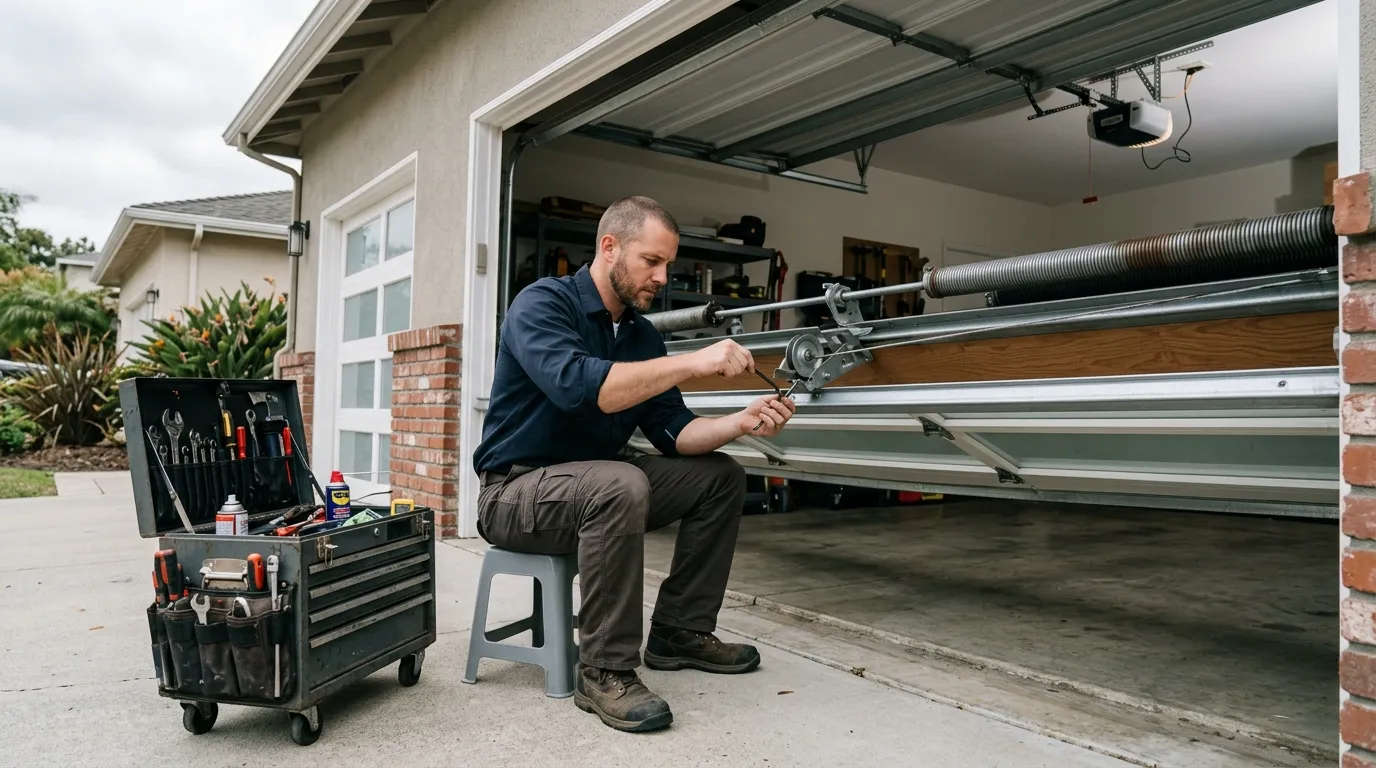
If your door is sticking or noisy, checking the tracks for bent rail and the rollers for wear is fair game for a homeowner, and it's free. What isn't a DIY job on a house this age is the spring itself. Extension springs from an original 1957 setup are under real tension, and the safety cable that's supposed to contain a broken spring often wasn't installed to begin with on doors this old - a lot of them predate that safety standard entirely.
If you're not sure whether your door still has its original hardware or a later torsion conversion, that's worth a call before you touch anything near the springs. We'd rather answer that question over the phone for free than have you find out the hard way which system you've got.
Talk to a Melrose Park Technician First
Describe what the door is doing and get a straight answer on what it likely needs.
Other Garage Door Services in Melrose Park
Recent Work in Melrose Park
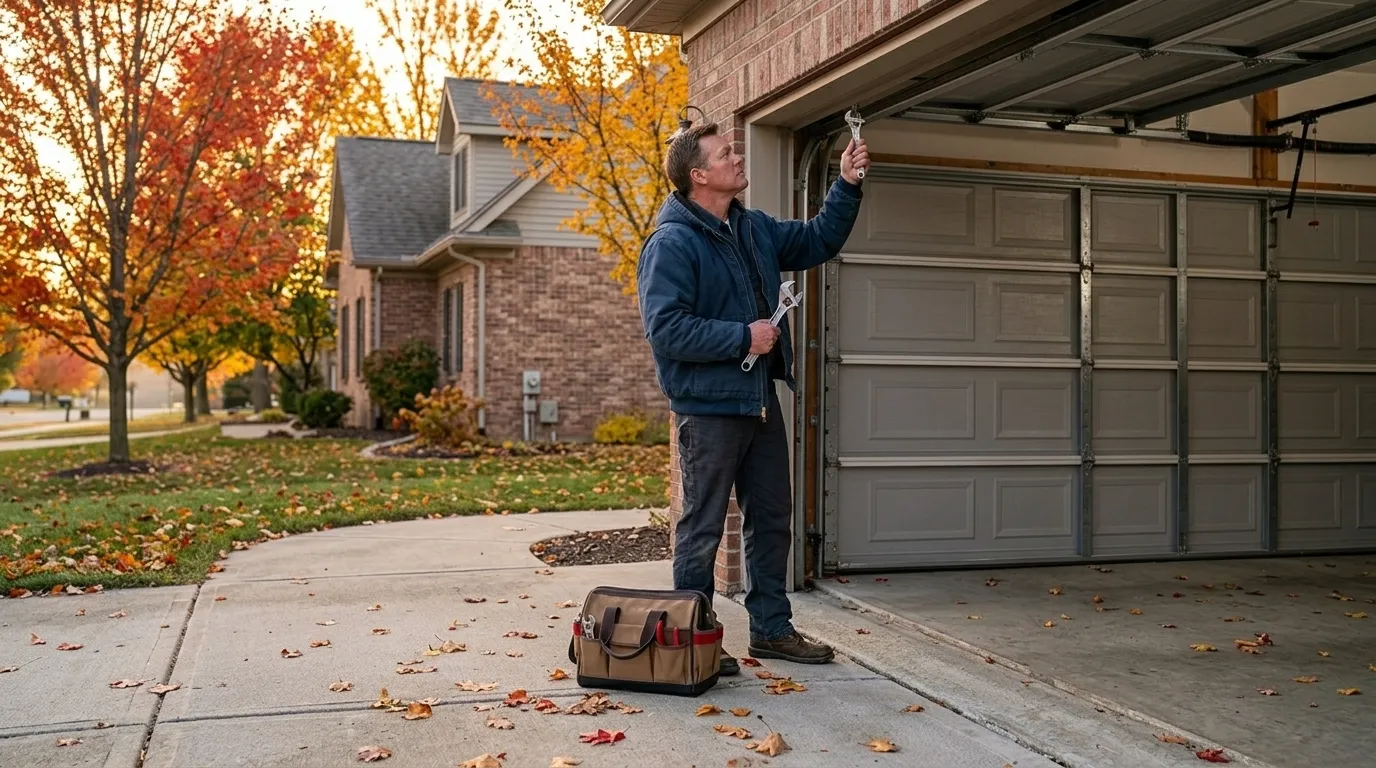
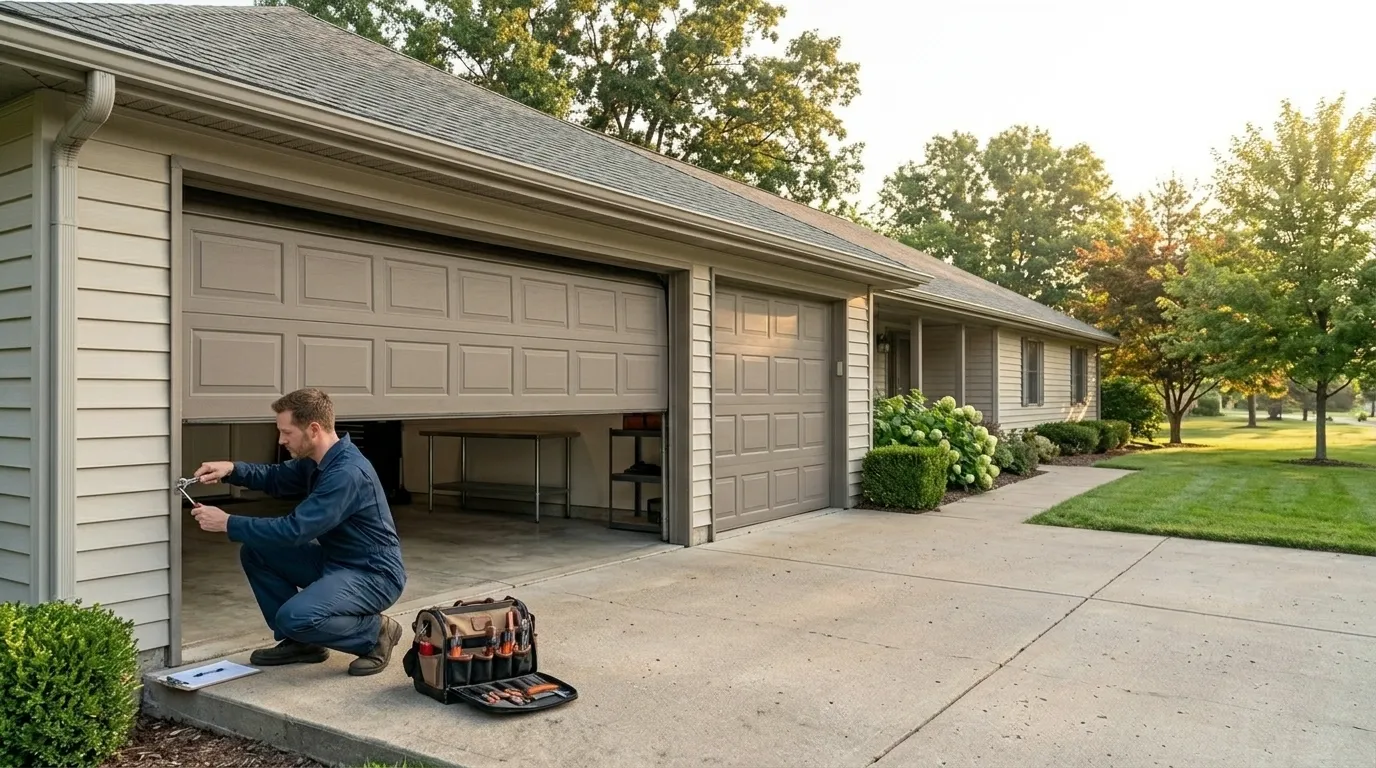
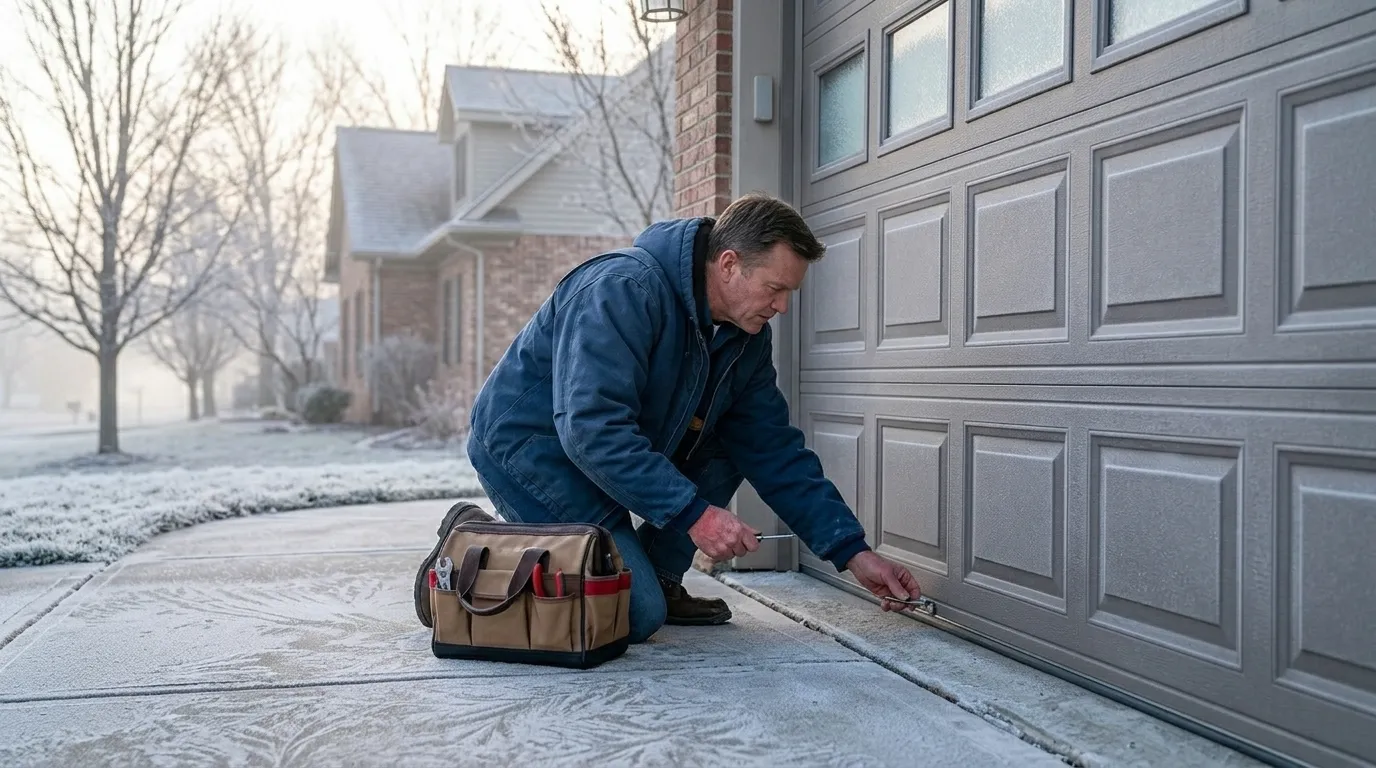
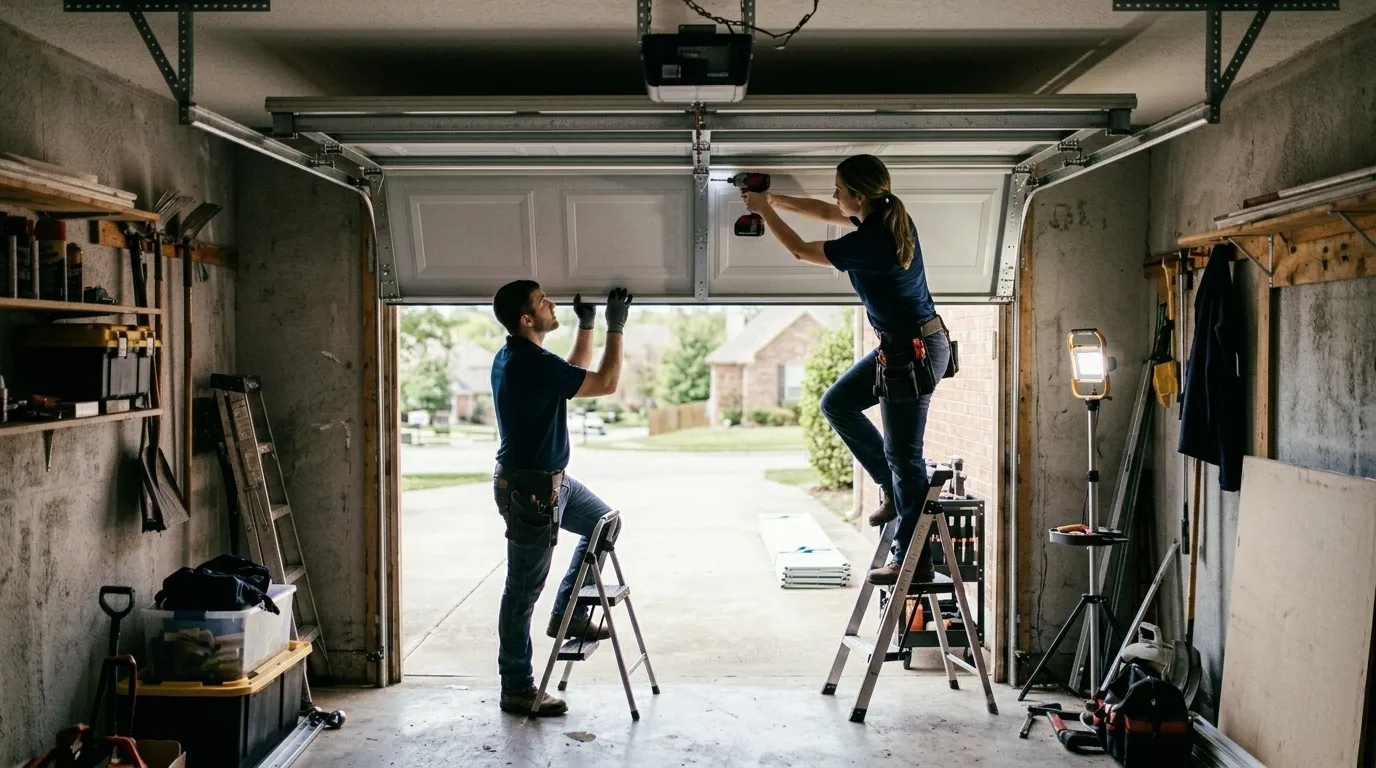
A look at jobs our crew has been on nearby.
Why Melrose Park Calls Us
Frequently Asked Questions
Are most garage doors in Melrose Park original to the house?
A good number are, since the median build year here is 1957 and garage doors often don't get replaced unless something breaks. We see plenty of original extension-spring setups still running, alongside houses where a past owner converted to torsion hardware at some point.
Do you have a shop or truck based in Melrose Park?
No - we work out of Oak Park, about 4 miles away, and drive out for calls. There's no local depot here, just the truck coming to you when you book a visit.
Why does my door act up more in winter?
Extension springs, which are common on houses from Melrose Park's 1950s building era, lose tension faster in cold swings than torsion springs. The Chicago area's cold, moderate climate band makes that seasonal tension loss more noticeable on older hardware.
Can you match panels on an original 1950s door?
Usually not. Steel sections from that era aren't made anymore, and hunting for a matching panel often costs more than it's worth. If a panel is bent badly, we'll tell you straight whether replacement makes more sense than a patch repair.
Need Garage Door Service in Melrose Park?
Call now for straight answers on cost and timing.