
Garage Door Service in Franklin Park
Garage Door Repair for Franklin Park's 1950s-Era Doors
Garage door repair and service for Franklin Park's 1950s housing stock, 6 miles from Oak Park. Torsion spring, opener, and panel work sized to a 5,900-household town.
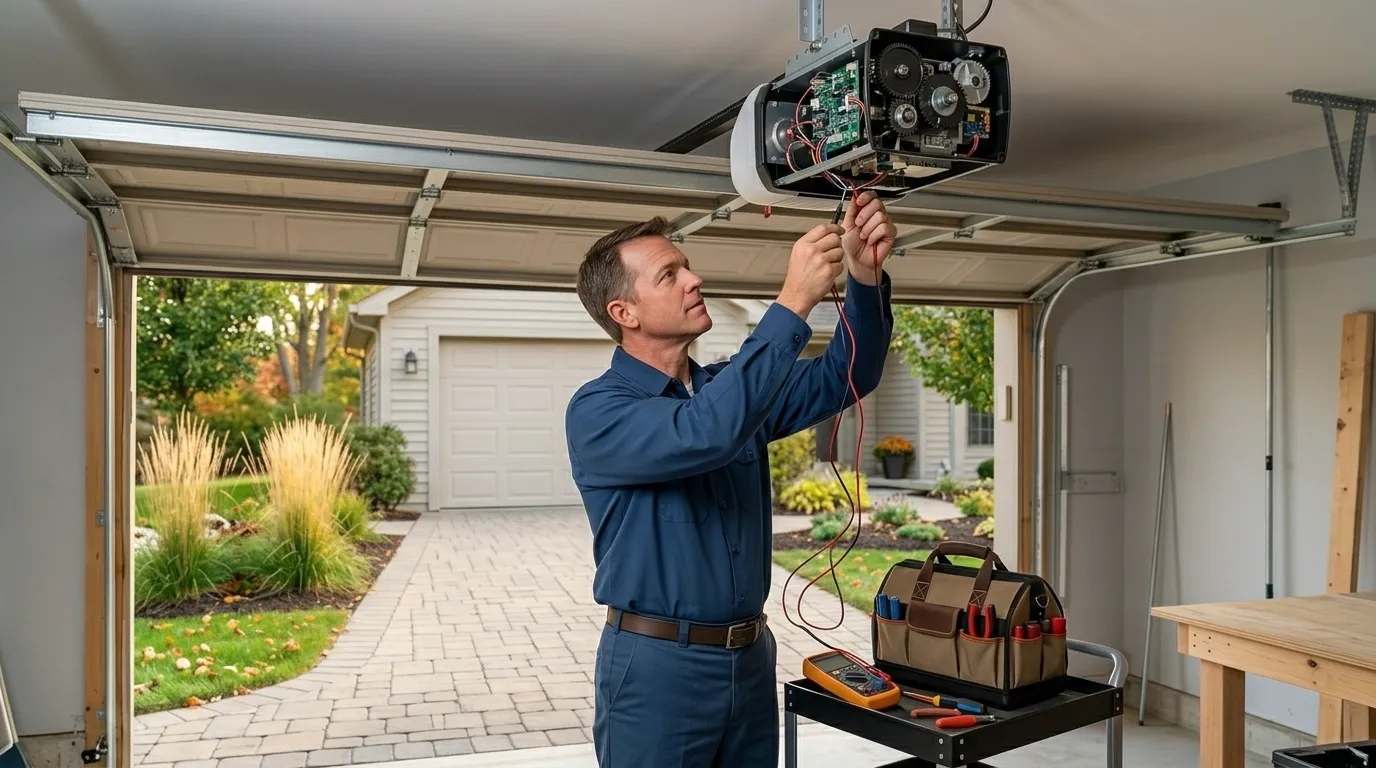
What Happens When You Call
-
1
Call or Request a Quote
Tell us what the door is doing and roughly how old the house is - that alone points us toward the likely part before a truck leaves.
-
2
On-Site Diagnosis
A tech checks the spring, cables, tracks, and opener in person and tells you plainly what is actually wrong.
-
3
Straight Price, No Surprises
You get a number before any work starts. It covers parts and labor, nothing added after the fact.
-
4
Fixed the Same Visit
Most repairs are done in one trip. If a part needs sourcing, we tell you that upfront instead of guessing.
What You Pay
Franklin Park is a small town by household count - about 5,900 of them - so the mix of jobs that come out of it looks different from a bigger suburb. You don't get the volume of brand-new opener installs you'd see somewhere with ten times the housing stock. You get a steady trickle of repair work on doors that have been in place a long time, because the median home here was built around 1956, a decade older than the 1965 median across the wider service area.
Age changes the bill more than anything else does. A torsion spring swap on a door from that era usually means non-standard drums or a shaft size nobody stocks on the truck by default, so the tech has to know it's coming before he loads up. We don't post a flat number here because what a Franklin Park job costs depends on whether the hardware is original 1950s stock or a later retrofit, and those two jobs aren't priced the same.
What we can tell you is that the area's median household income, just under $76,000, tends to push people toward fixing what's there rather than defaulting straight to full replacement, and that's usually the right call on a door that's structurally sound.
What the Repair Takes
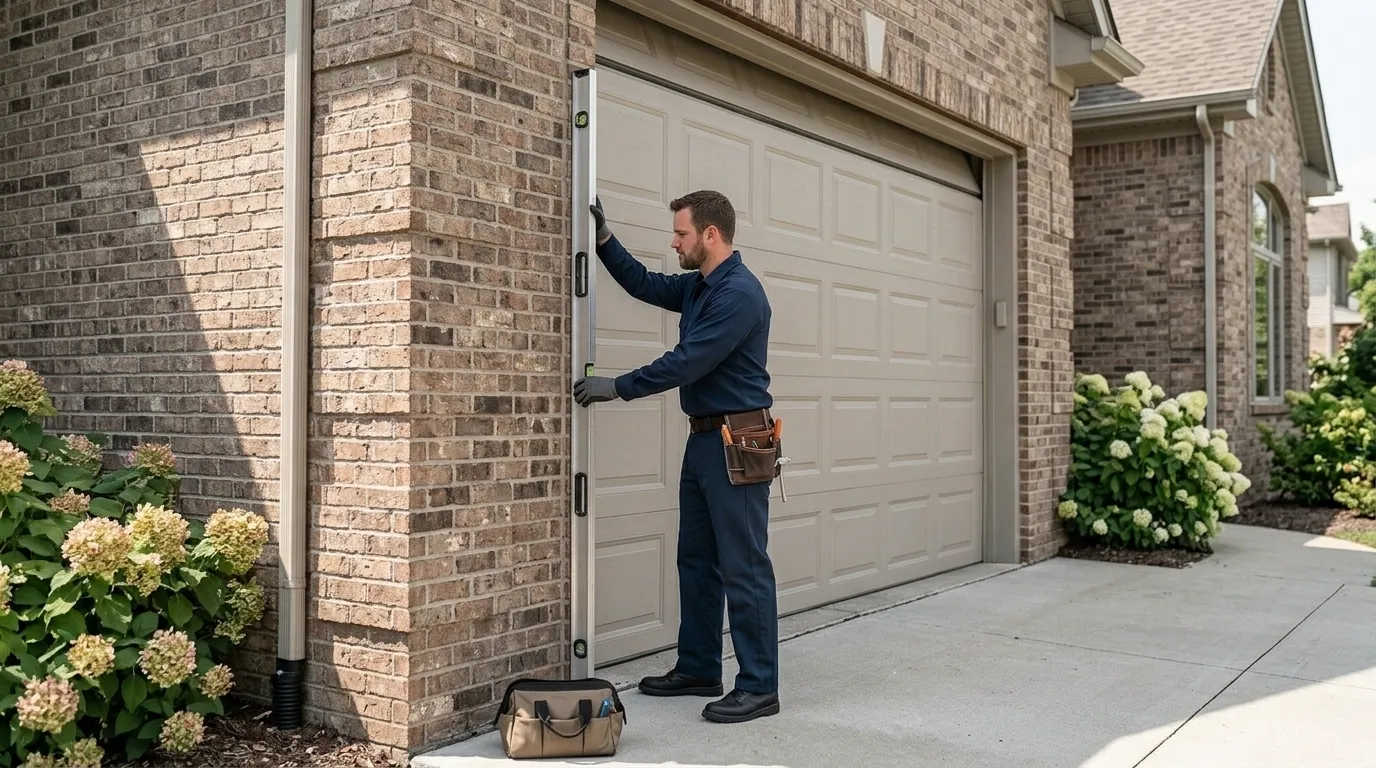
On a Franklin Park call, the first ten minutes are spent figuring out what decade the door and hardware actually belong to, because they don't always match. A house built in 1956 might have had its original one-piece door swapped for a sectional panel door sometime in the 70s or 80s, with the torsion hardware from the original install left in place underneath. That mismatch is common enough in this town's older housing that we check the shaft diameter and drum size before we quote a spring, not after.
The cold-moderate climate this area sits in also matters for the work itself - grease and lubricant on older bearings stiffen up more in winter, and that stiffness is what turns a worn roller into a snapped cable if it goes unaddressed through a cold stretch. Because the trip out is six miles from our Oak Park base, we plan the visit around having the right torsion spring size and drum on the truck the first time, since a second trip for the wrong part wastes everyone's morning. Most single jobs - spring, cable, or roller replacement - run one visit.
Full door replacement on an original 1950s frame sometimes needs a second trip if the opening has settled out of square, which isn't rare on a house this old.
Doing It Yourself
A torsion spring holds real tension, and on a door with 1950s-era hardware you can't always tell by looking whether it's the original spring or a later replacement rated for a different door weight. That's the honest limitation: we don't recommend DIY spring work on any door, but it's a genuinely bad idea here specifically, because Franklin Park's older housing stock has more hardware mismatches than newer suburbs do, and a mismatched spring under load is what causes the injuries. Cold weather in this climate band makes it worse - a spring that's been sitting stiff through a cold month releases tension less predictably than one that's been cycling daily.
What you can safely do yourself: check the weatherstripping at the bottom panel, clear the tracks of debris, and listen for grinding when the door opens, since that's often a roller going bad long before it fails outright. If you hear a loud bang or the door drops suddenly on one side, stop using the opener and call - that's a spring, not a track alignment issue, and it's not a fix for a Saturday afternoon with a wrench.
The Symptom
The calls we get out of Franklin Park skew toward a specific pattern: a door that opens fine but closes crooked, or one side visibly lower than the other when it's halfway down. On a house built in the mid-1950s, that's almost always a cable or spring on one side of a torsion setup that's stretched or frayed past what the other side is carrying. It shows up more here than in newer housing because the original hardware on a lot of these doors has been through seventy years of Illinois winters, and metal fatigue doesn't announce itself until the door is already sagging.
A second common symptom: an opener that runs but the door barely moves, or reverses partway up. That's frequently a spring that's lost most of its lift and is making the motor do work it wasn't built for - not an opener problem at all, even though that's what people call about first. If your door is dropping on one side, don't keep opening and closing it to see if it clears; that's exactly the motion that turns a stretched cable into a snapped one.
Talk to a Franklin Park Technician First
Describe what the door is doing and get a straight answer on what it likely needs.
Other Garage Door Services in Franklin Park
Recent Work in Franklin Park
A look at jobs our crew has been on nearby.
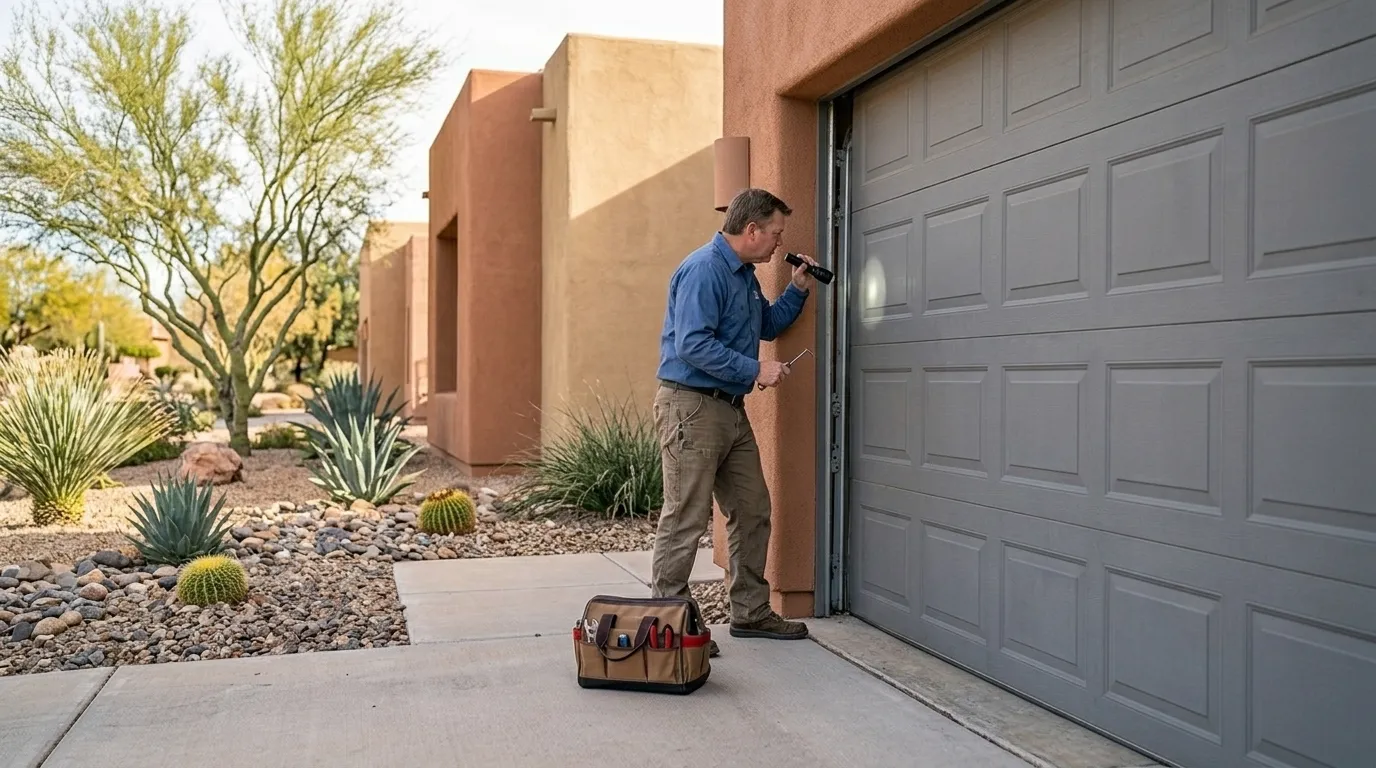
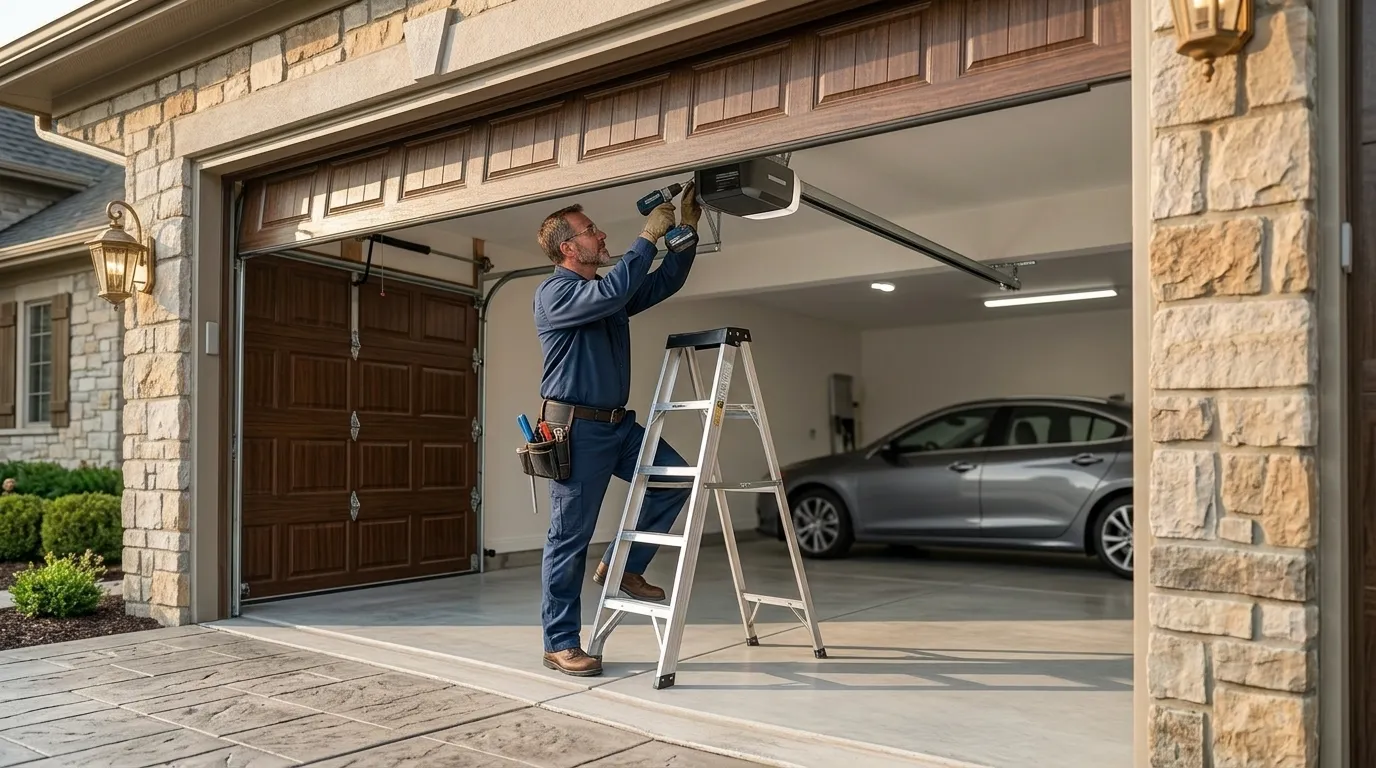
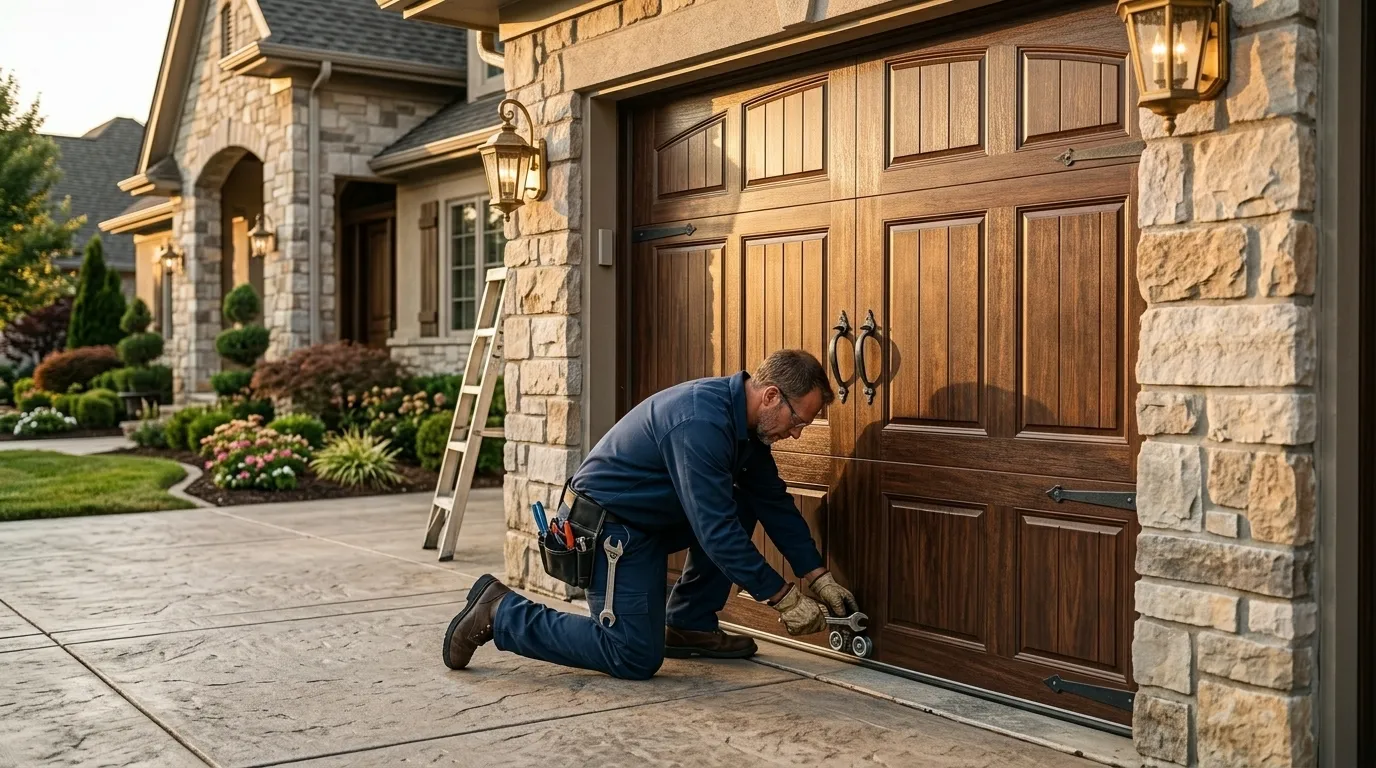
Why Franklin Park Calls Us
Frequently Asked Questions
Do you have a branch in Franklin Park?
No. We work out of Oak Park and cover Franklin Park as part of the service area, about six miles out. There's no separate depot here, just a truck that comes out for the call.
Why does my 1950s garage door keep sagging on one side?
On houses from that era, it's usually a torsion spring or cable on one side that's worn faster than the other, often because the original hardware has been carrying decades of Illinois winters. It shows up as uneven closing before it shows up as a full failure.
Is it worth replacing an original door from the 1950s instead of repairing it?
Depends on the panel condition, not just the age. If the frame and panels are sound and it's a spring or cable issue, repair usually makes more sense given what most owners here are working with. If the panels themselves are warped or rusted through, replacement starts to win.
Can cold weather really cause a spring to fail?
Cold doesn't break a spring on its own, but it stiffens the metal and the grease around bearings, which changes how evenly tension releases. In a cold-moderate climate like this one, a spring that's already worn is more likely to go in winter than in summer.
Need Garage Door Service in Franklin Park?
Call now for straight answers on cost and timing.