
Oak Park Garage Door Guide
Detached or Attached: Why It Changes the Repair
Oak Park's 1938-1965 housing stock mixes attached and detached garages. Here's how that split changes what breaks, when to call, and what a repair costs.
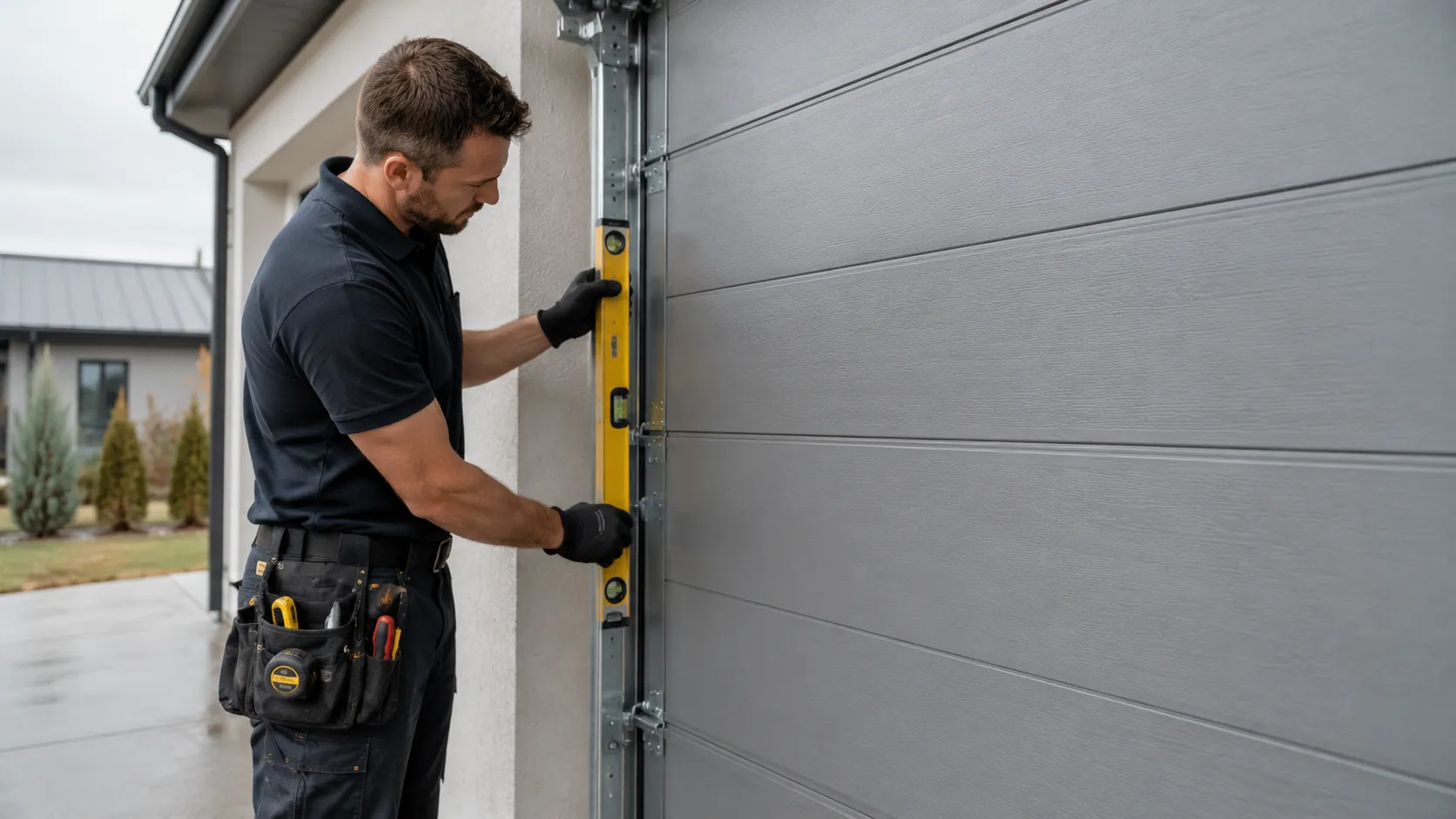
When It Stops Being a DIY Job
A sagging panel or a slow-closing door is fine to poke at yourself. A broken torsion spring on either a detached or an attached door is not - that spring is holding the full weight of the door, and it doesn't care which structure it's bolted to. Where the distinction matters is the opener wiring and the sensors.
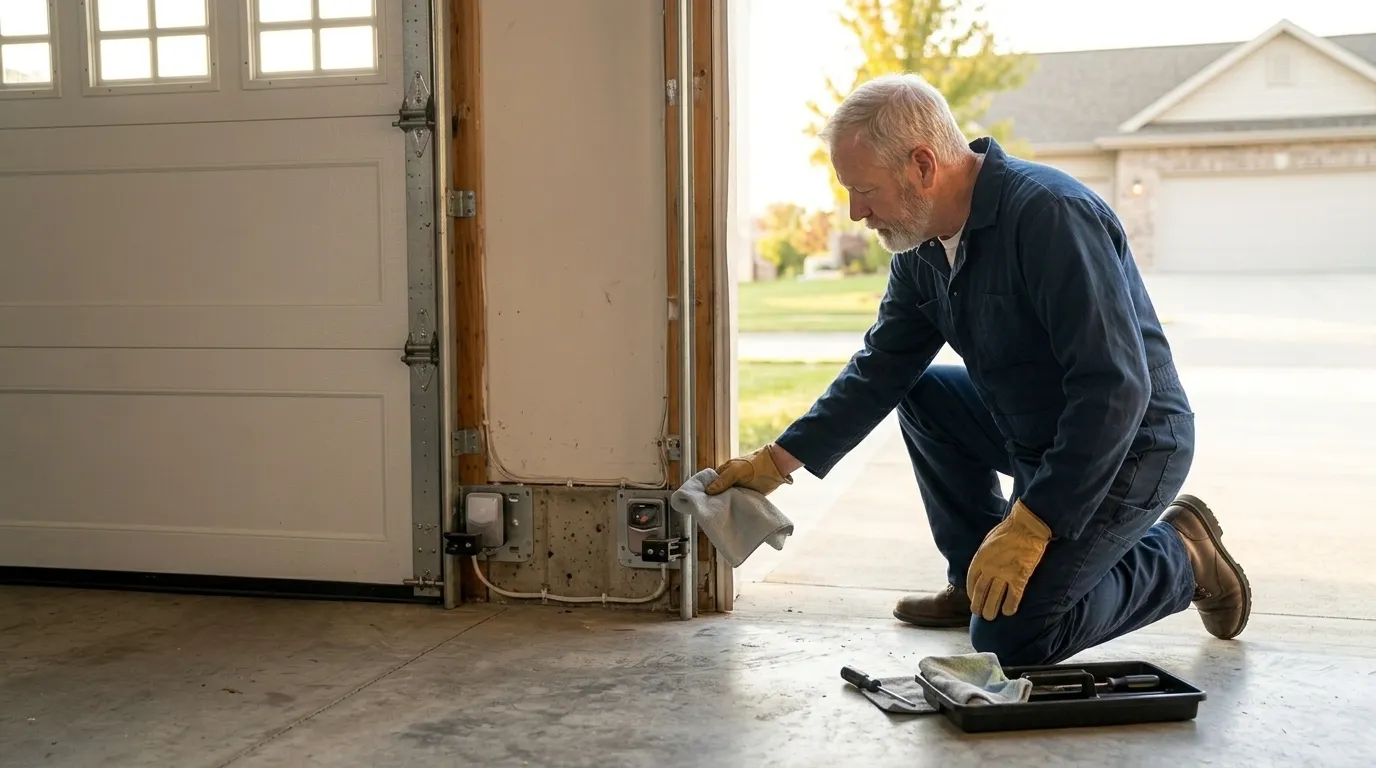
On an attached garage, the opener circuit usually runs off the same panel as the house, and a short can trip breakers inside living space. On a detached garage, that circuit is often on its own run, sometimes original to a home built in the 1938-1965 window that makes up the median for this area. If you're not sure which panel feeds your opener, or the garage lights flicker when the door cycles, that's the point to stop and call rather than keep testing it.
Anything involving the spring, the cable, or a door that's come off track on either style of garage is a call, not a weekend project. We're straightforward about that limitation: we'd rather tell you it's a spring job over the phone than have you find out the hard way.
What Is Going On
An attached garage shares at least one wall with the house, so it picks up some ambient heat all winter without anyone doing anything. A detached garage stands alone, fed by nothing but whatever insulation was in it when it was built - and across Oak Park's mostly 1960s-70s housing stock, that's often not much. That single difference changes how the same hardware ages.
Steel springs and cables in a detached structure see the full swing of outdoor temperature every day; in an attached garage, the wall it shares knocks a few degrees off both the highs and the lows. Openers behave the same way - a chain drive in a cold detached garage tightens up and groans on start; the same unit against a heated wall doesn't. None of this means one setup is better.
It means the failure you're looking at, and how urgent it is, depends on which one you've got before you decide what it needs.
What Local Conditions Do
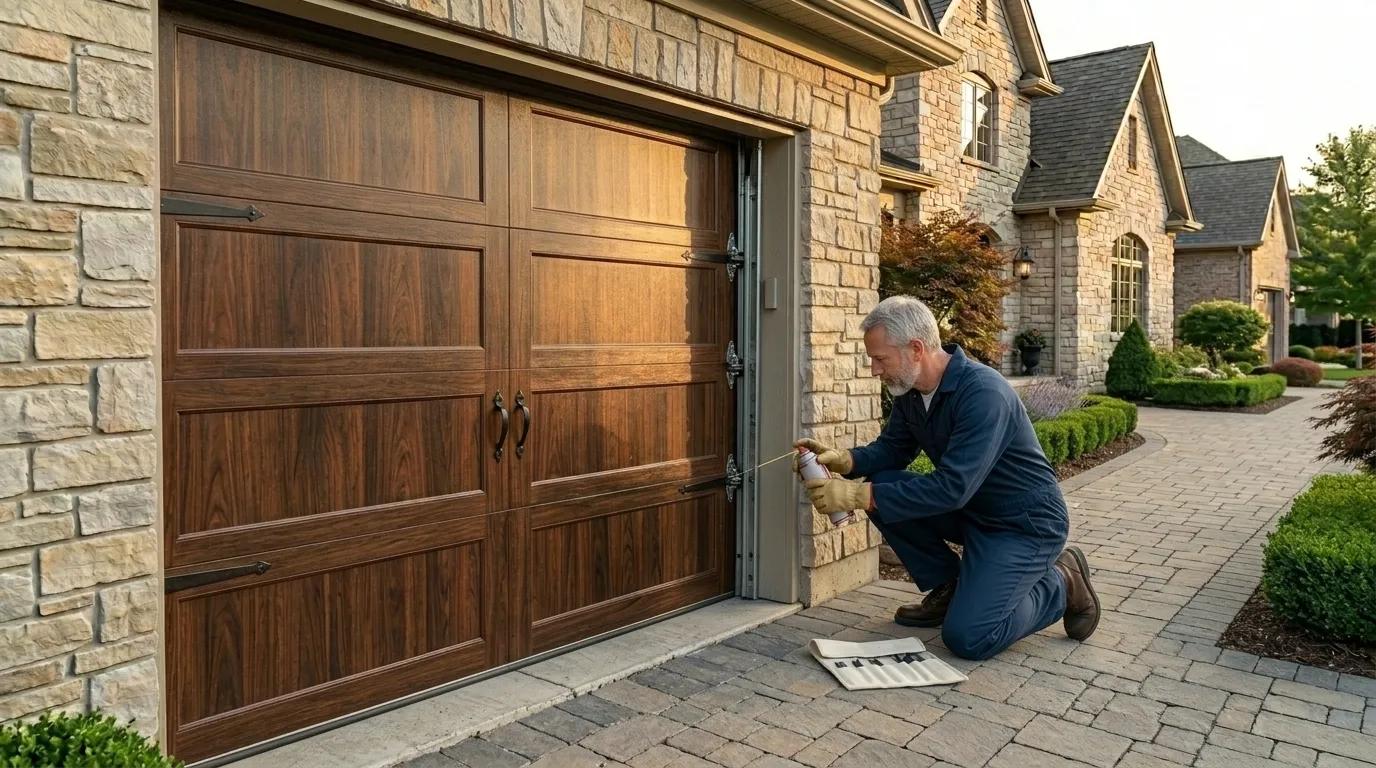
This area sits in a cold-moderate climate band, and that matters more for a detached garage than an attached one, because a detached structure has no adjacent heated room to soften the swing. Cold steel contracts. A torsion spring that's been fine all summer can lose enough tension over a hard cold stretch that the door feels heavier lifting by hand, or an opener starts straining and tripping its own safety reversal.
In an attached garage the shared wall buys you a few degrees of protection; a detached garage gets the full outdoor temperature transmitted straight into the springs and the track. Add in that a lot of the doors on both types of garage in this area date from a build era centered on 1965, and you've got original or near-original hardware meeting decades of that same seasonal swing, year after year. That's the wear pattern we see most: not one dramatic failure, but a slow stiffening that ends in a spring that finally lets go on a cold morning.
What You Pay
We don't have a flat number to give you here, and any price we quoted without seeing the door would be a guess dressed up as a fact. What we can tell you is that the split between detached and attached tends to affect labor more than parts - a detached garage sometimes means running power or fixing wiring that an attached garage already has through the house. The area this covers has a median household income around $83,975 across roughly 491,400 households, with 219,368 of those owner-occupied houses, which tells you the housing stock is largely owner-maintained rather than rental, and owners here tend to fix rather than replace when a repair is realistic.
Whether yours is one of those depends on the door's age and condition, not a script. Ask for the number on the actual job, not a website average.
How We Can Help
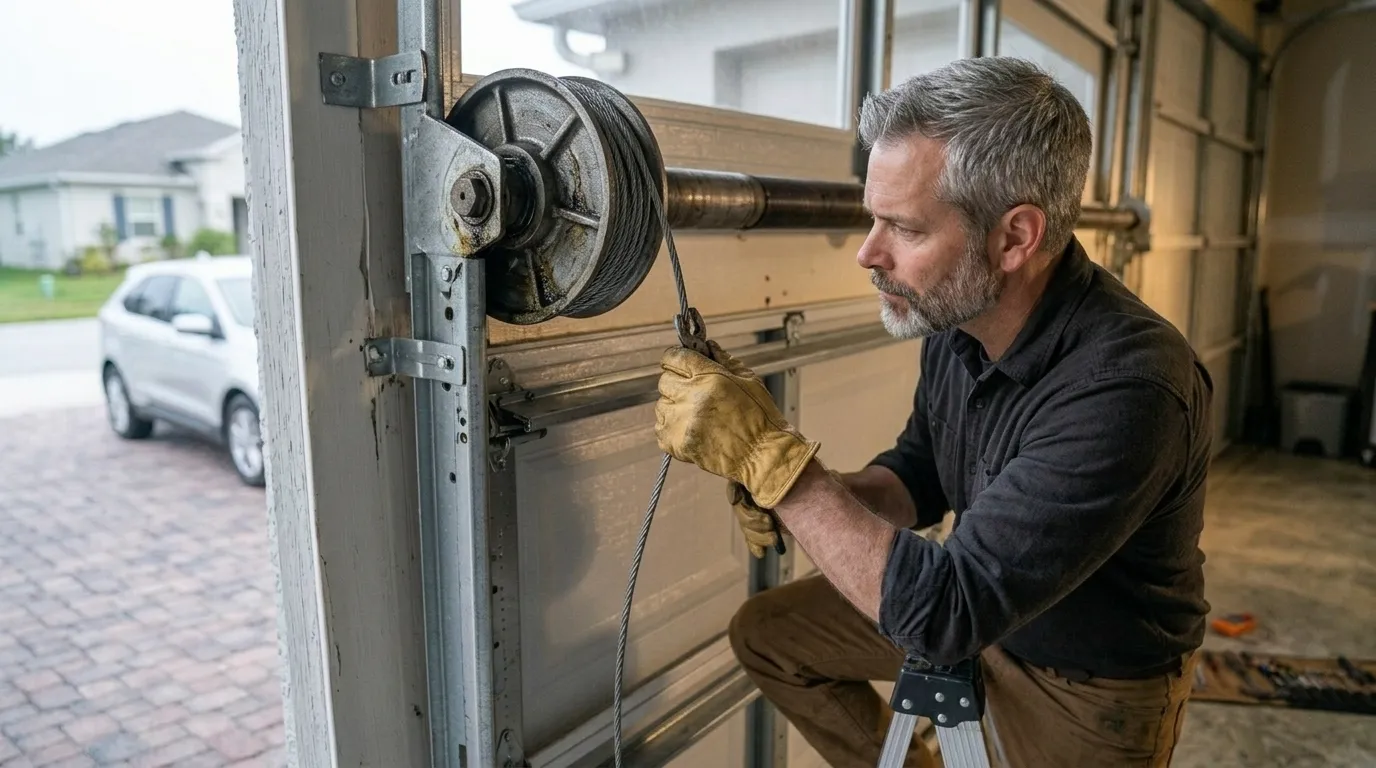
Garage Door Repair
Springs, cables, tracks, rollers, and openers fixed by a tech who explains the problem before touching anything.
Learn more →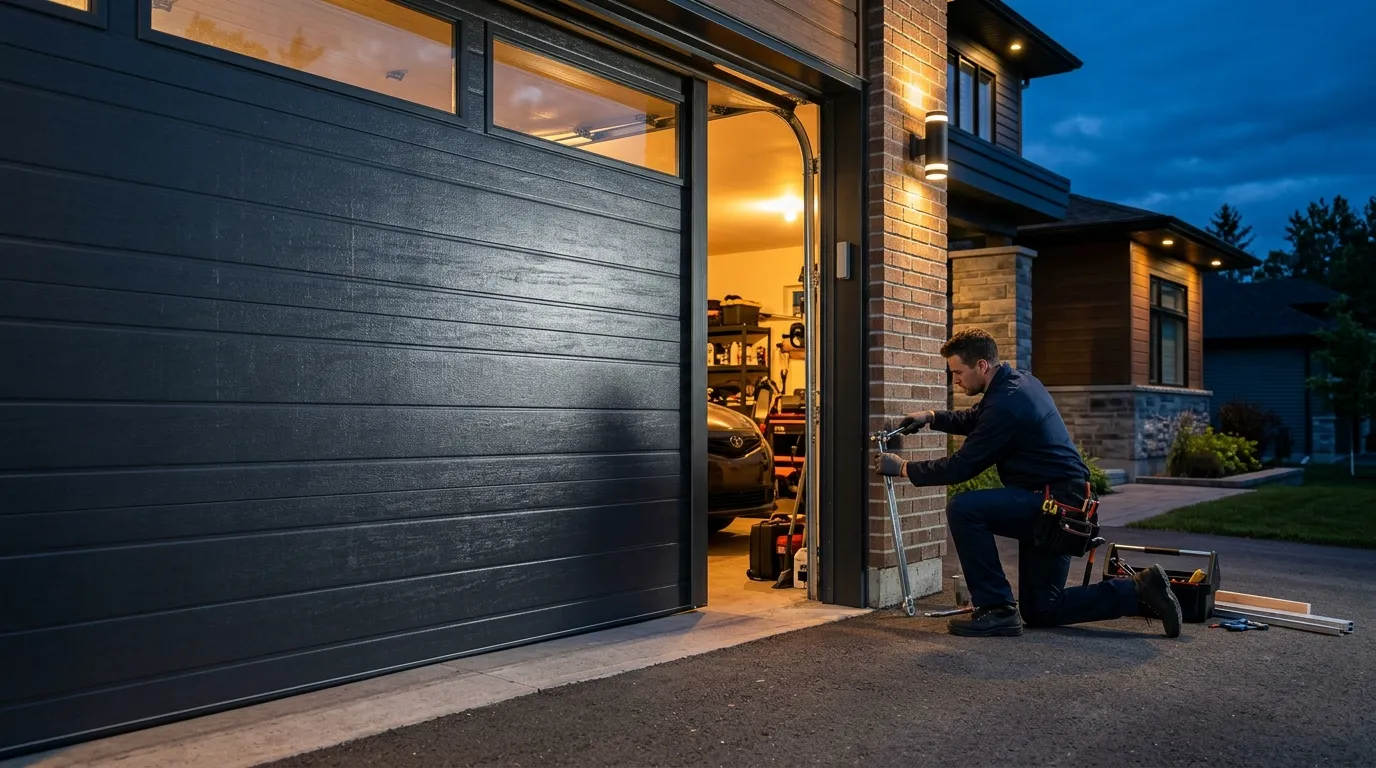
Garage Door Installation
New sectional doors sized and installed for the housing stock actually built in this area.
Learn more →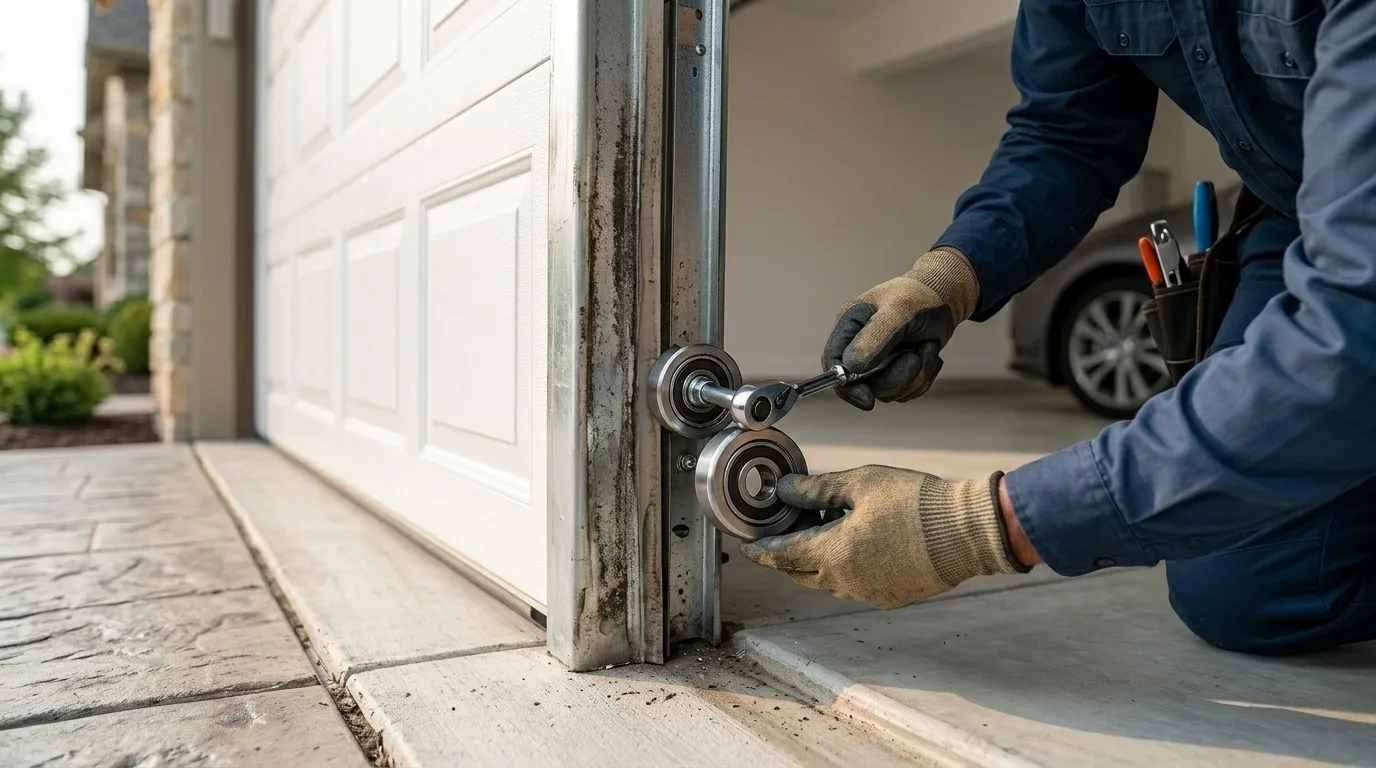
Garage Door Service
Tune-ups, lubrication, and safety checks that catch a small problem before it becomes a service call.
Learn more →Frequently Asked Questions
Does a detached garage in Oak Park need a different kind of opener?
Not a different kind, but a detached garage without a dedicated heated wall will show cold-weather strain sooner - slower travel, more strain on the gears - than the same opener in an attached garage. Given this area's cold-moderate winters, that's worth knowing before you buy a replacement, though the units themselves are the same regardless of garage type.
Why does my detached garage door feel heavier in winter?
Cold steel loses tension. A detached garage has no shared wall to buffer outdoor temperature, so the torsion spring feels the full swing and can stiffen or weaken faster than a spring in an attached garage. If it's noticeably harder to lift by hand than it was in summer, that's a spring inspection, not a lubrication fix.
Is my original 1960s garage door hardware still safe to use?
Age alone isn't the issue - wear is. A lot of homes in this area date to the 1938-1965 build era and still run original track and spring hardware. It can be fine if it's been maintained, but original parts that have never been serviced are the ones most likely to fail without warning.
Have a Door That Needs a Second Opinion?
Call and describe what it is doing - we will tell you what it likely is.