
Oak Park Garage Door Guide
Garage Doors on Houses Built Before Insulation Codes Existed
Oak Park houses date to 1938-1994, many with garage doors from before insulation codes. Here's what that means for repair, replacement, and cost here.
When It Stops Being a DIY Job
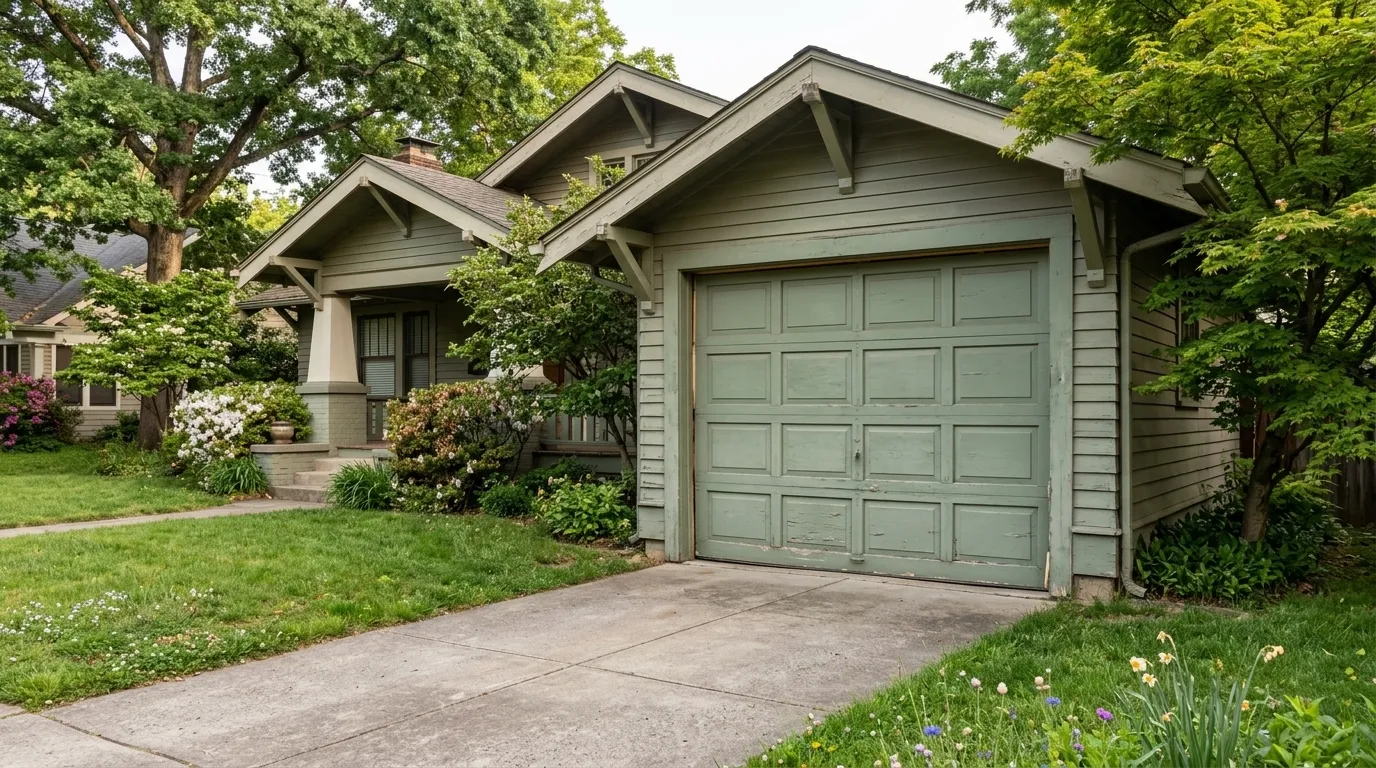
Oak Park's housing stock runs 1938 to 1994, with most of it going up in the 1960s and 70s. If your door and track are original to a house from that window, you're working with hardware that predates the insulation and energy code changes that came later.
A worn roller or a stretched cable on a door like that is still a straightforward swap. But once the door itself is the problem - sagging panels, a steel skin gone soft with rust at the bottom corner, a wood door that's cupped - you're not fixing a part anymore, you're deciding whether to keep patching an uninsulated door or replace it with one built to a different standard.
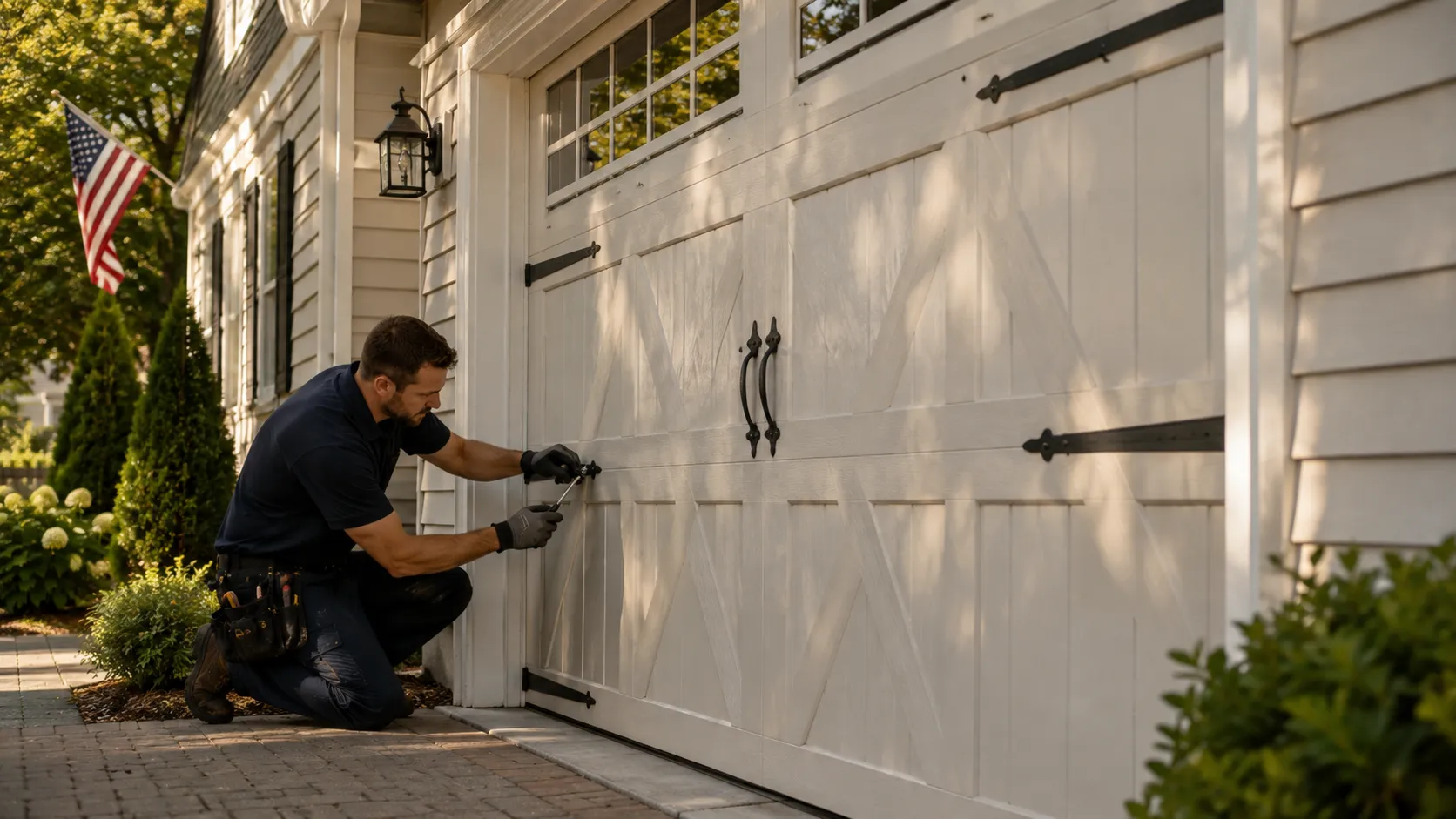
The DIY line is usually the spring. Torsion springs on doors this age are under real tension and the drums, cones, and cable anchors on 1960s hardware don't always match what's sold today.
If a spring has already let go, or the door won't stay up on its own, that's a call, not a project. We won't sell you a repair on a door that's structurally past it just to avoid saying replacement is the better move - sometimes it is, and we'll tell you when.
What Is Going On
Across the 85 named areas that make up this service area, the same mid-century pattern repeats: houses built between the late 1930s and the mid-1990s, median right around 1965. Garage doors from that era were built to keep weather out, not to hold heat in - insulation wasn't part of the standard door assembly yet. So a huge share of the garages in and around Oak Park still have single-layer steel or plain wood doors on openings that were framed for hardware nobody has to match parts to anymore.
What that means in practice: the door itself is thin. No polystyrene or polyurethane core, no thermal break at the bottom seal, often no weatherstrip beyond whatever's been added since.
The track and spring system might be sound, but the door panel is doing none of the insulating work a homeowner today would expect from something marketed as a garage door. It's not a defect - it's just what got built in 1965, and it's stayed on the house because nothing forced it off.
What Local Conditions Do
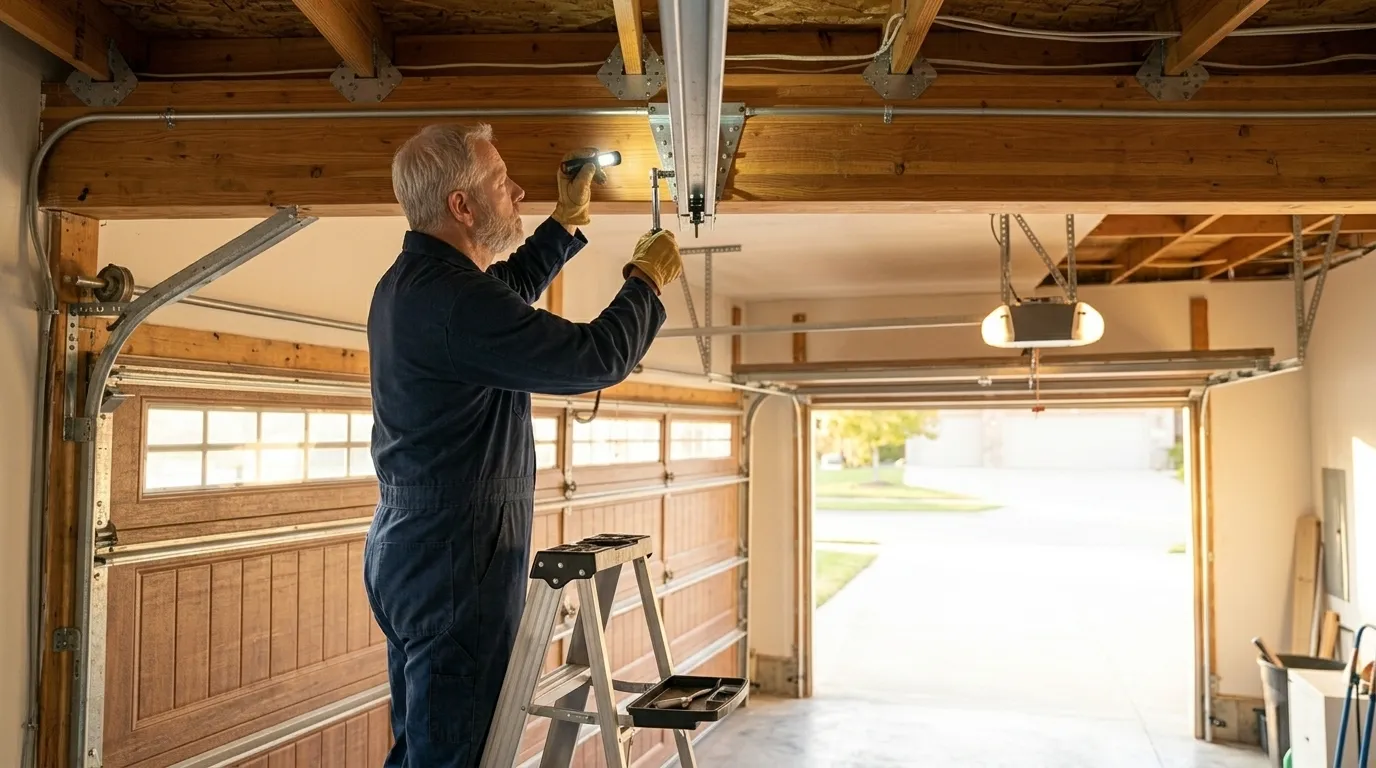
Oak Park sits in a cold, moderate climate band. That matters more with an uninsulated door than people expect, especially on attached garages sharing a wall with living space. A single-layer steel door with no thermal break transfers cold straight through - the garage tracks close to outside temperature, and if there's a bedroom or laundry room on the other side of that shared wall, the house feels it.
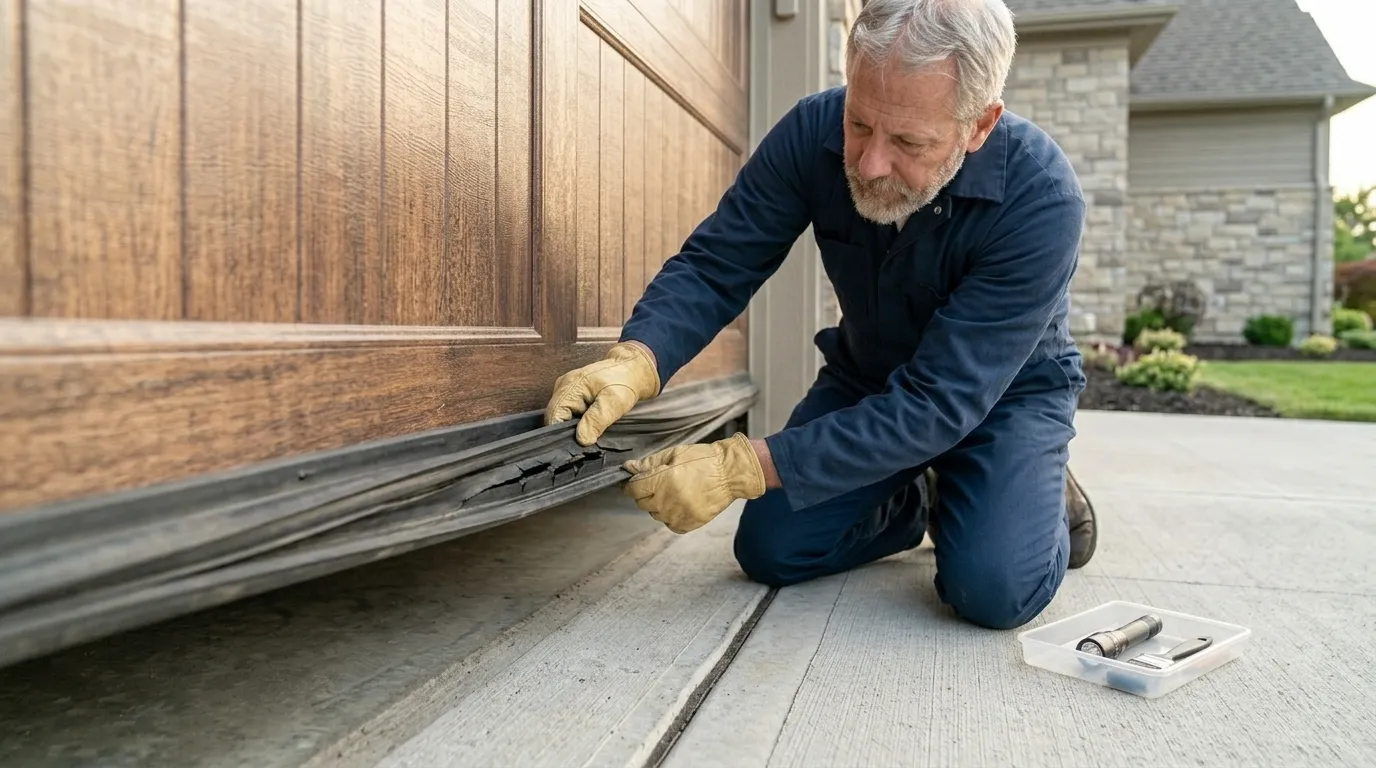
The cold also works on the door mechanically, not just thermally. Steel contracts, and on an older door with a wood jamb that's shifted over fifty-plus years, that contraction can be enough to bind a panel in its track or crack old caulking around the seal. None of this is dramatic - it shows up as a door that's stiffer to open on a cold morning, or a bottom seal that's compressed flat and stopped sealing years ago.
On a newer, insulated door with a composite frame, you don't see the same seasonal tightening. On the stock that's common here, you do.
What You Pay
We don't have a flat number to give you here, because what a job costs depends on whether you're repairing an original 1960s-era door or replacing it outright, and those are different jobs with different parts. What we can say: across the households in this service area - roughly 219,000 owner-occupied houses, median income around $84,000 - most people call us weighing a repair against a replacement, not picking between premium options. That's the real decision on a door this age, and it's worth having someone look at the actual door before assuming either direction.
One honest limit: insulated replacement doors sized for these older openings aren't always something we can hand you off the truck same-day. Non-standard widths from houses built before modern door sizing became standard sometimes mean an order and a wait. We'll tell you that up front rather than promise a same-day install we can't back.
How We Can Help
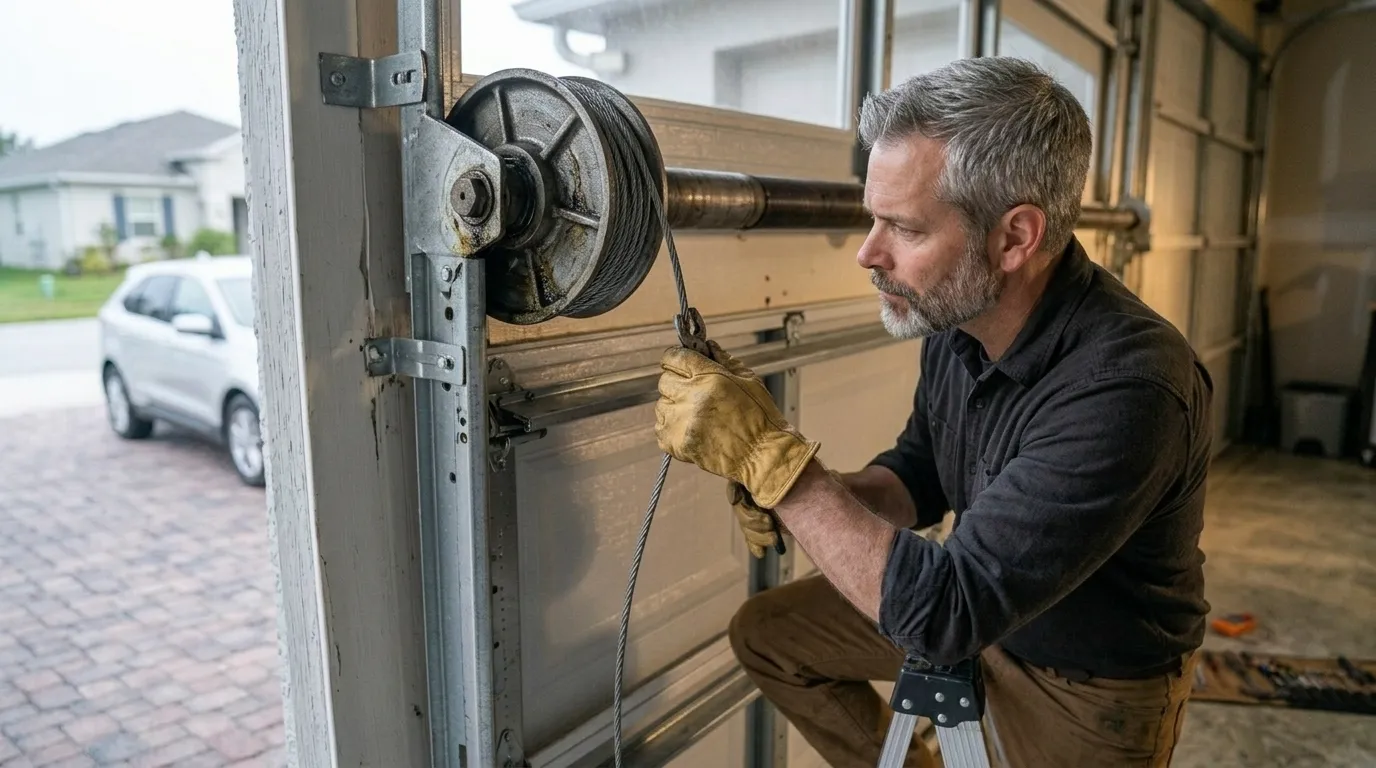
Garage Door Repair
Springs, cables, tracks, rollers, and openers fixed by a tech who explains the problem before touching anything.
Learn more →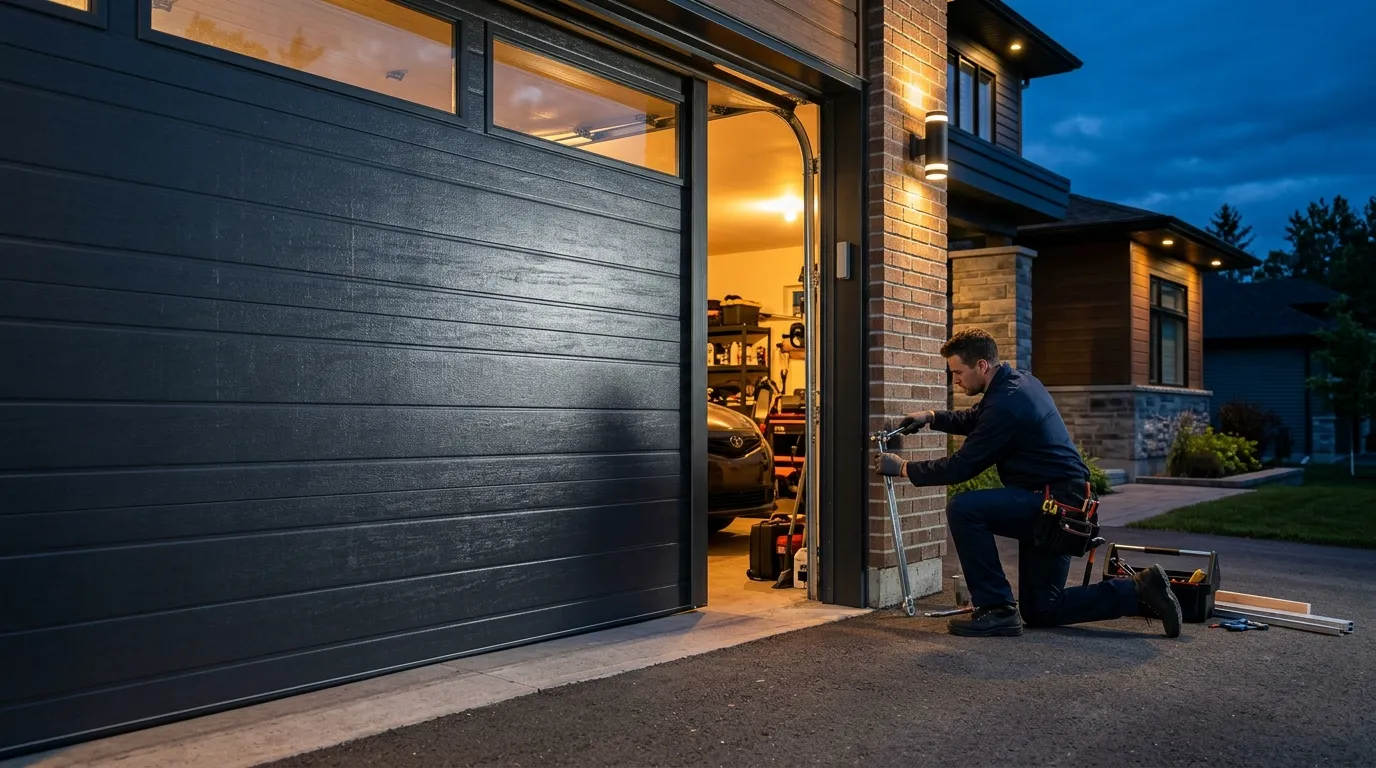
Garage Door Installation
New sectional doors sized and installed for the housing stock actually built in this area.
Learn more →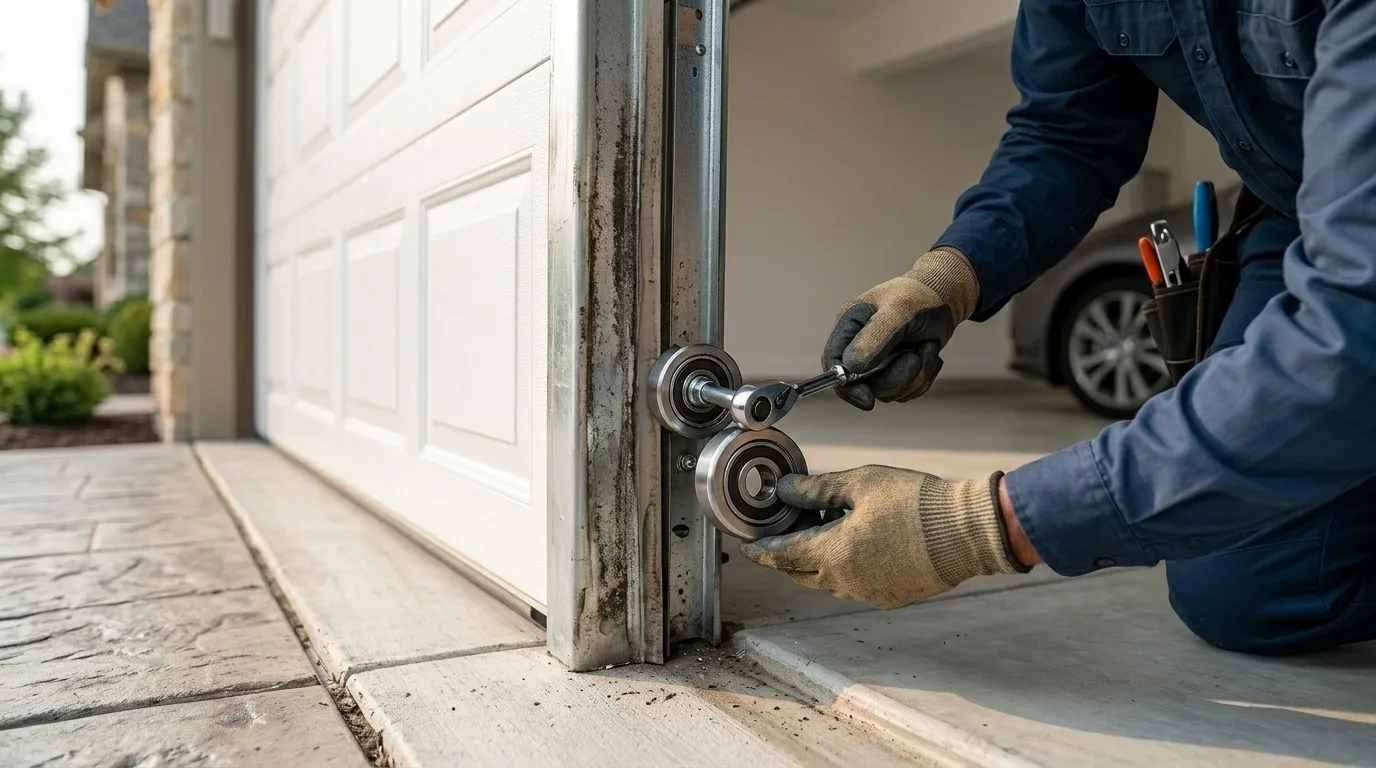
Garage Door Service
Tune-ups, lubrication, and safety checks that catch a small problem before it becomes a service call.
Learn more →Frequently Asked Questions
Is it worth insulating an old garage door instead of replacing it?
Sometimes. If the panels and track are sound, an insulated retrofit kit can cut the cold coming through, but it won't fix a door that's already sagging or rusted at the bottom. On doors from Oak Park's 1960s-70s stock, we look at panel condition first - insulation on a failing panel is money spent twice.
Why does my garage door stick more in winter?
On older doors without a thermal break, steel contracts in the cold and older wood jambs have often shifted over decades. That combination can bind a panel in its track. It's common on houses from this area's main building era and usually points to alignment, not the opener.
Do I need a permit to replace a garage door in Oak Park?
That depends on the scope of the job and current local code, which we don't have listed here - check with the village before you assume either way. We can tell you what the door swap itself involves once we've seen the opening.
How do I know if my door predates insulation standards?
If your house was built in the mid-century window common across this area and the door has never been replaced, it's almost certainly a single-layer steel or solid wood door with no foam core. We can confirm that in a few minutes on site by checking the panel edge.
Have a Door That Needs a Second Opinion?
Call and describe what it is doing - we will tell you what it likely is.