
Oak Park Garage Door Guide
What That Noise From Your Oak Park Garage Door Actually Means
Oak Park homes built between 1938 and 1994 make specific noises when hardware fails. Here's what grinding, thumping, and squealing actually mean here.
When It Stops Being a DIY Job
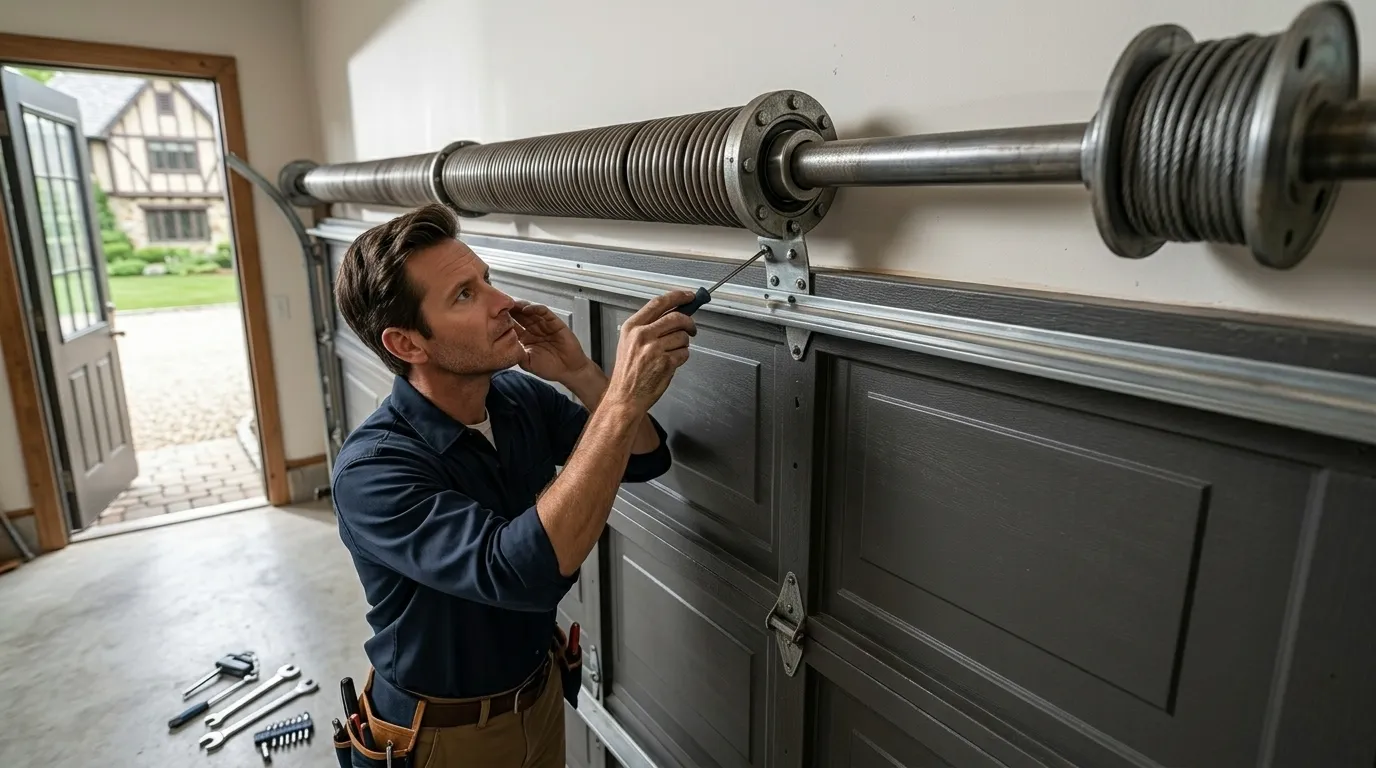
A squeak on a warm afternoon is background noise. A grinding thump every time the door rolls up in an Oak Park garage built before 1965 is not. Most of the housing stock here went up between 1938 and 1994, with the median landing around 1965, and a lot of those original garage doors still run on the torsion hardware installed decades ago.
That's the line: cosmetic noise you can grease and forget, versus a noise that tells you a spring, cable, or bearing is failing. If the door shudders, drops unevenly, or the opener strains and reverses, stop opening it by remote and call. A spring under tension that lets go while a car is under it or a hand is on the track is not a DIY repair, no matter how many videos say otherwise.
We won't pretend every rattle needs a truck roll - half the calls we get are a loose bolt or a roller that needs oil, not a new spring. But once a noise changes character, from squeak to grind, from steady to intermittent, the job has moved past a Saturday project.
What Is Going On
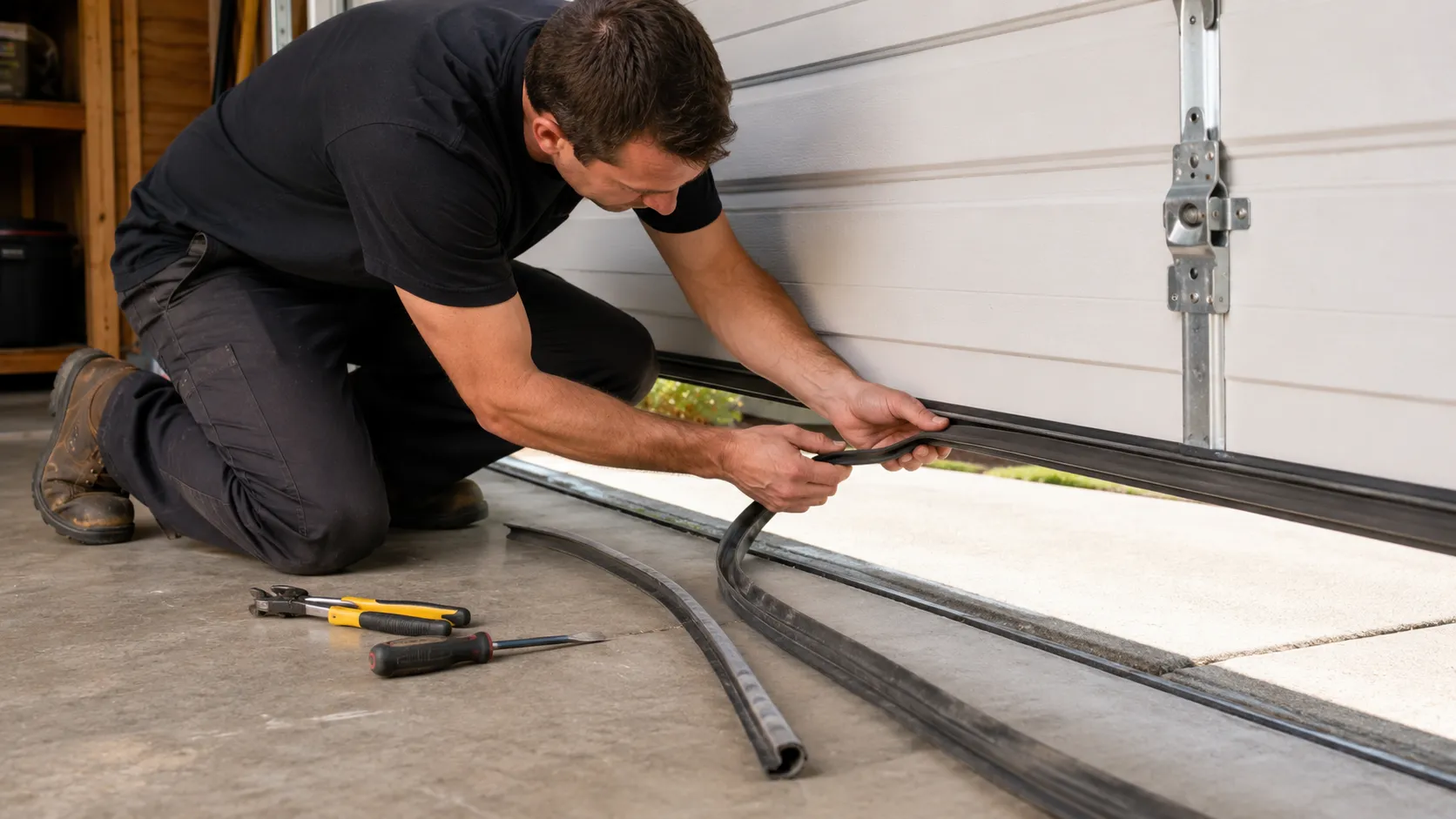
Grinding usually means a roller has worn through its nylon or the track has gone out of alignment, common on doors that have been rolling up and down since a house built in the 1960s or 70s never had the track reset. A loud bang followed by the door refusing to move is almost always a broken torsion spring, and on the older side-mounted setups still found on a lot of Oak Park's pre-1970 stock, that spring sits under more tension than newer center-mounted systems because of how those doors were originally built. A rhythmic thump as the door travels is often a bent panel or a hinge that has worked loose over years of freeze and thaw.
A high-pitched squeal that shows up mainly in the cold months points to hinges and rollers that need lubrication rated for lower temperatures, not the all-purpose grease from the hardware store shelf. None of these are mysteries once you know what to listen for, but diagnosing by sound over the phone only gets you so far. We still want eyes on the actual hardware before we say what it'll take to fix it.
What Local Conditions Do
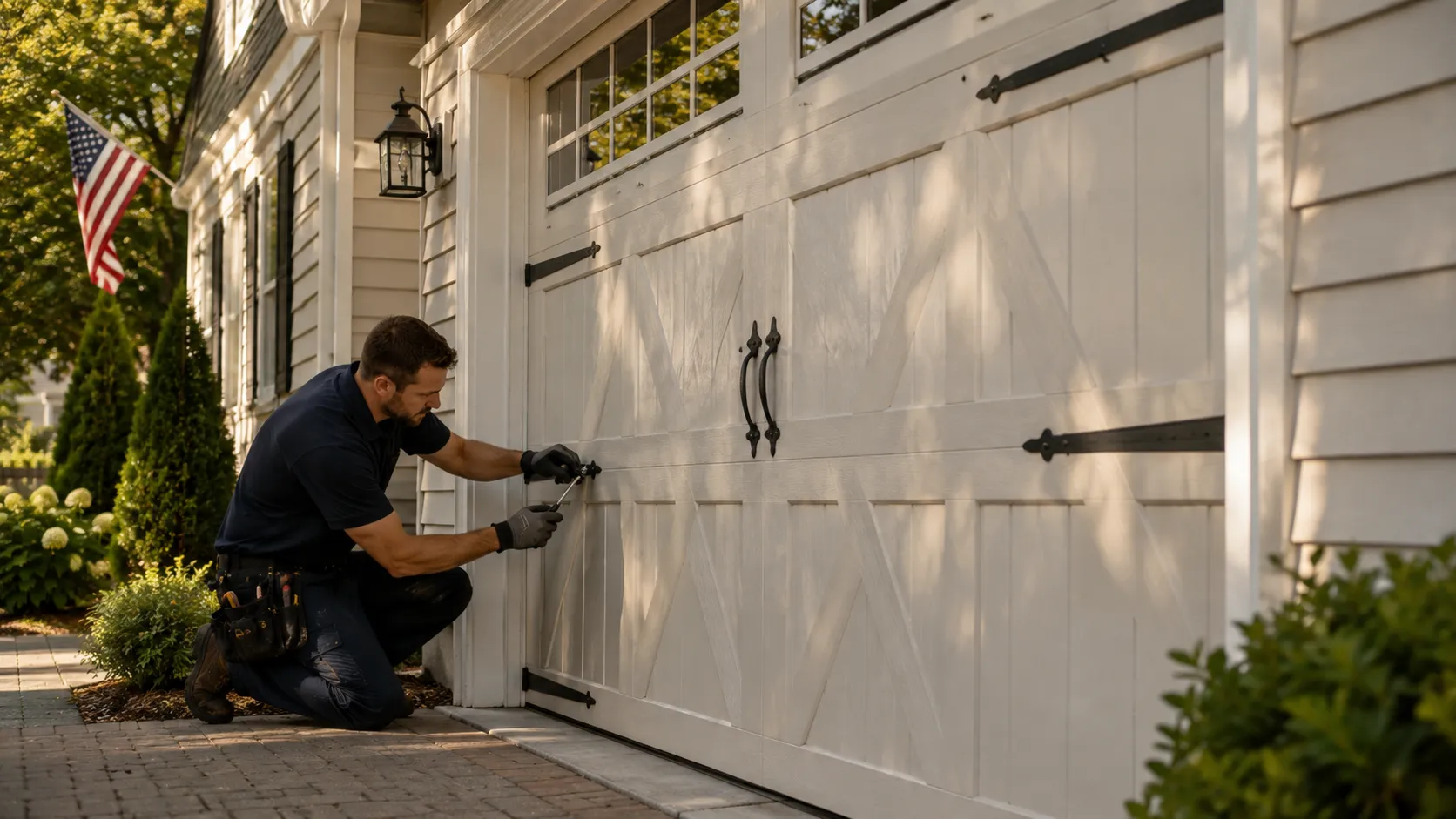
Oak Park sits in a cold-moderate climate band, which means the garage door hardware goes through a real freeze-thaw cycle every winter, not just a couple of cold snaps. Steel contracts in January and expands again by June, and that constant flex is what loosens hinge bolts and works grease out of a roller bearing faster than it would in a milder climate. On the 1960s and 70s-era doors that make up most of the stock in this part of the county, the metal track brackets were fastened to wood framing that has had sixty-plus years to shift, so a noise that started as a faint tick in November can turn into a grinding rattle by February.
Salt and moisture tracked in on car tires in winter also speeds up corrosion on cables and bottom brackets, which is where you'll hear a fraying cable before you ever see it. None of this means the door is falling apart. It means the maintenance schedule that works in a warmer climate isn't enough here.
A twice-a-year lubrication check matters more in Oak Park than it would somewhere that doesn't see a real winter.
What You Pay
We don't quote a price for a noise over the phone, because a squeak that needs a can of lithium grease and a broken spring that needs a same-day replacement sound almost identical to someone who isn't standing next to the door. What we can tell you is that Oak Park's housing stock, mostly built between the late 1930s and the mid-1990s, means parts availability varies a lot by age. A door from the 1960s or 70s might need a spring or roller size that's still common, or it might need something a supplier has to order in, and that changes the timeline more than it changes the diagnosis.
With a median household income of $83,975 across the service area, more owners here choose to replace a full set of rollers and hinges rather than patch one at a time, which costs more up front but means fewer return trips. We'll always tell you straight if a repair isn't worth it. A door with a cracked panel and a dying opener is usually cheaper to replace outright than to keep nursing along.
What we won't do is give you a number until we've actually heard the noise ourselves.
How We Can Help
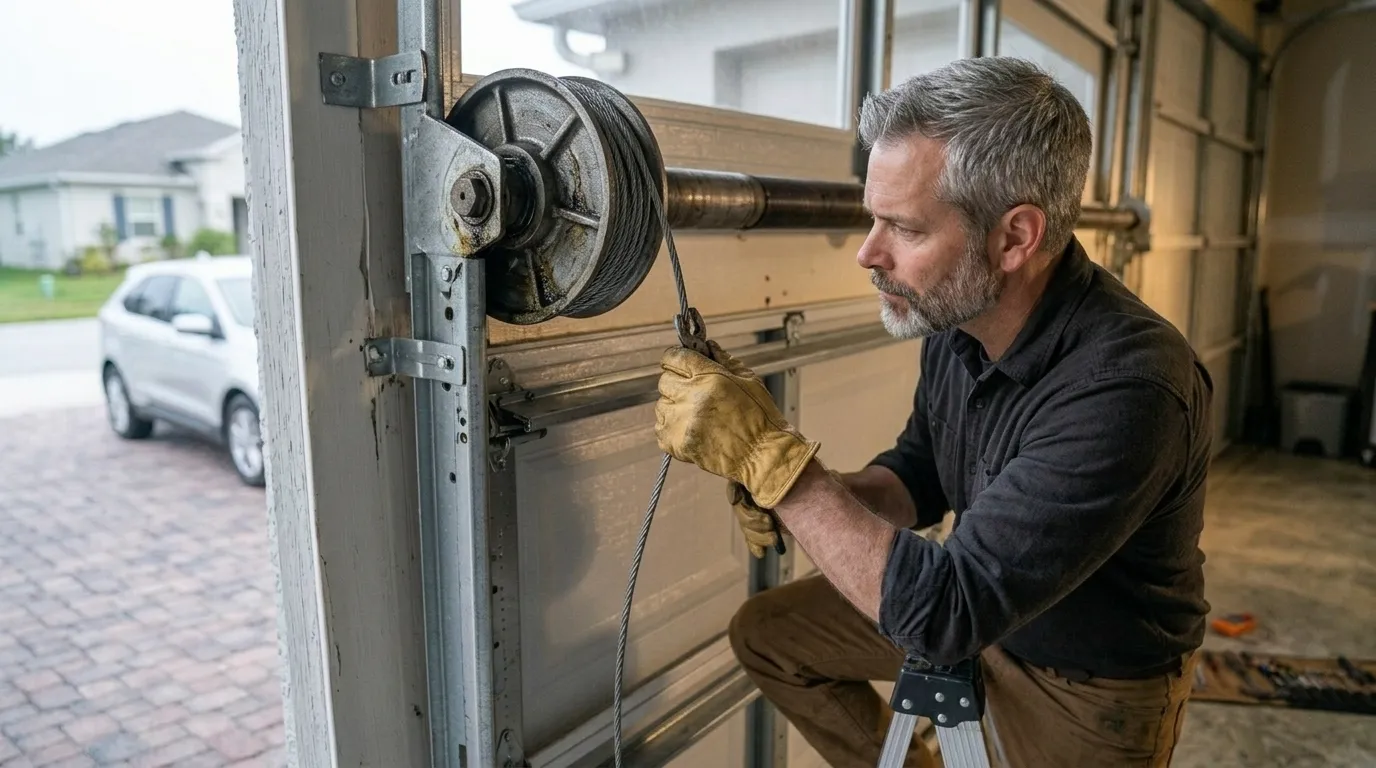
Garage Door Repair
Springs, cables, tracks, rollers, and openers fixed by a tech who explains the problem before touching anything.
Learn more →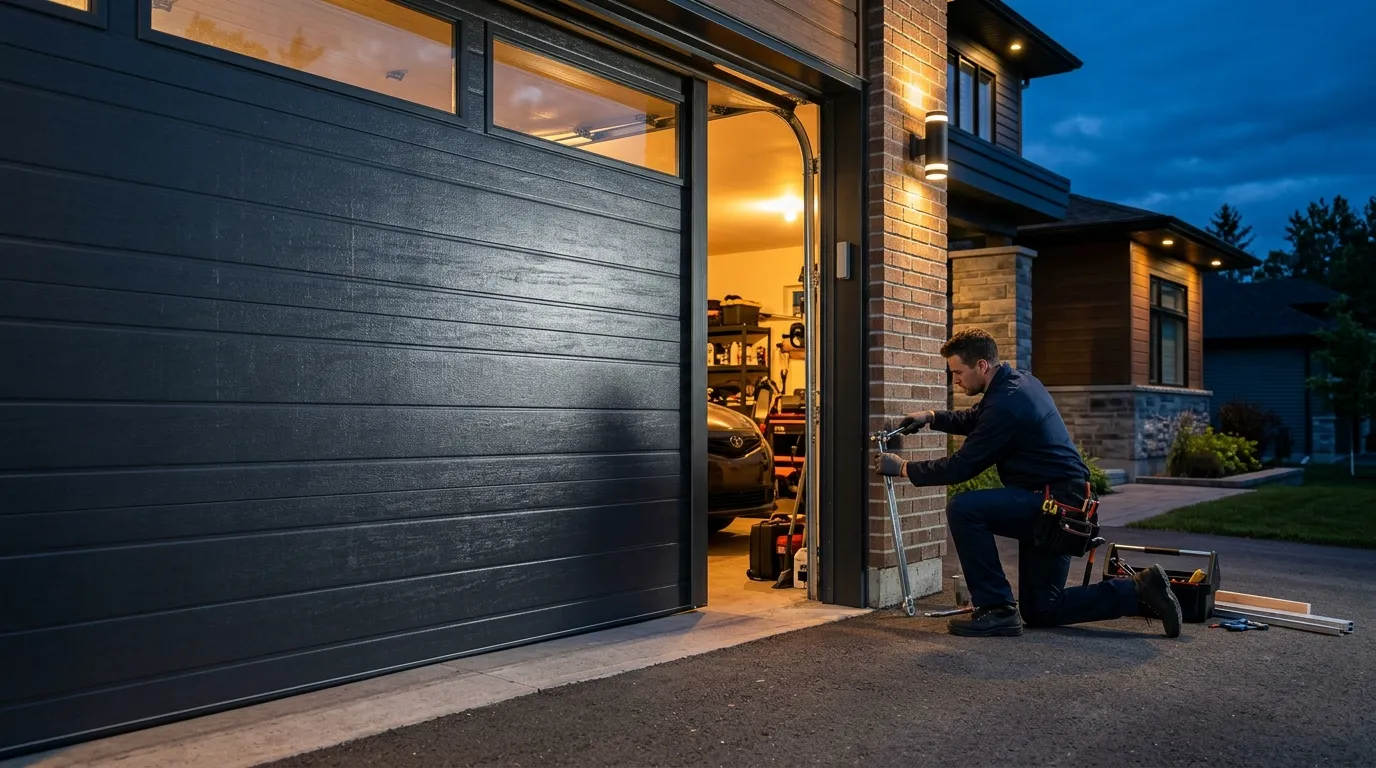
Garage Door Installation
New sectional doors sized and installed for the housing stock actually built in this area.
Learn more →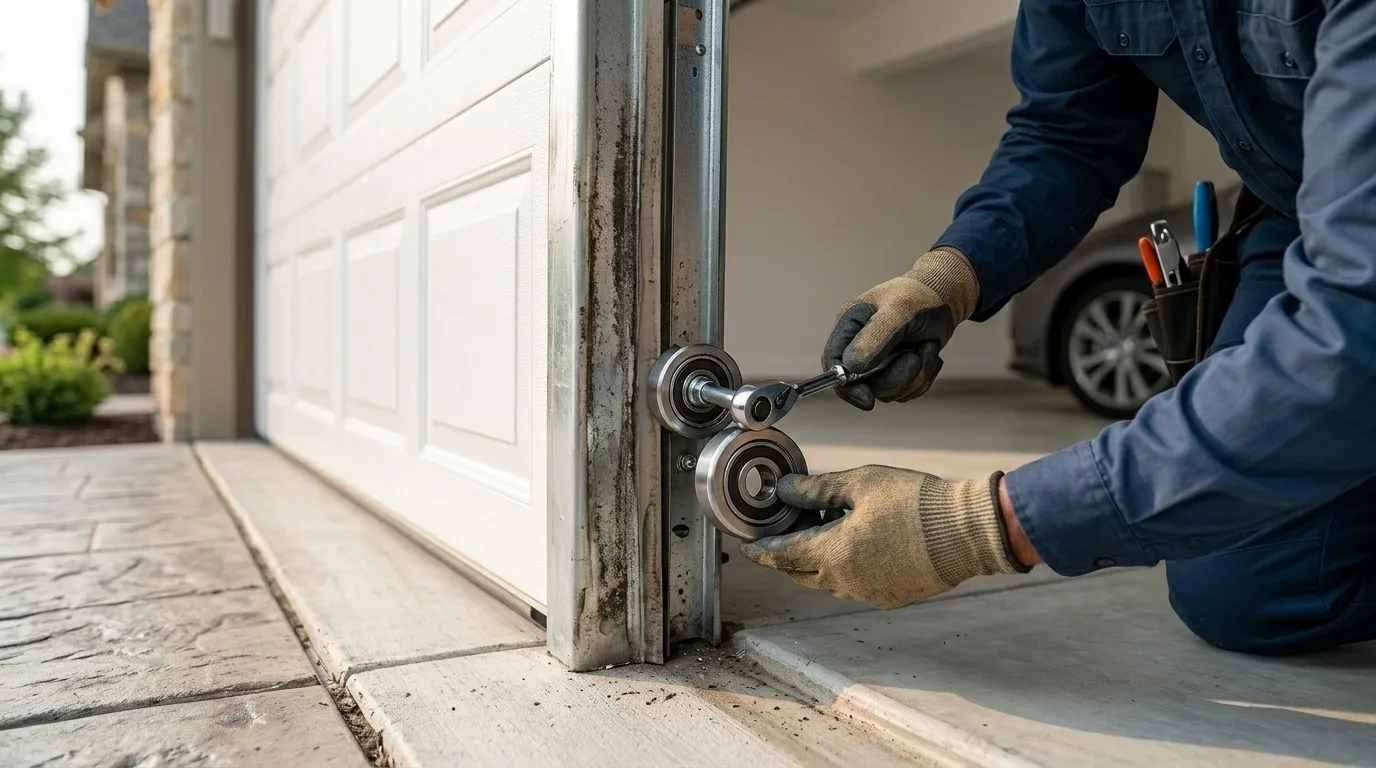
Garage Door Service
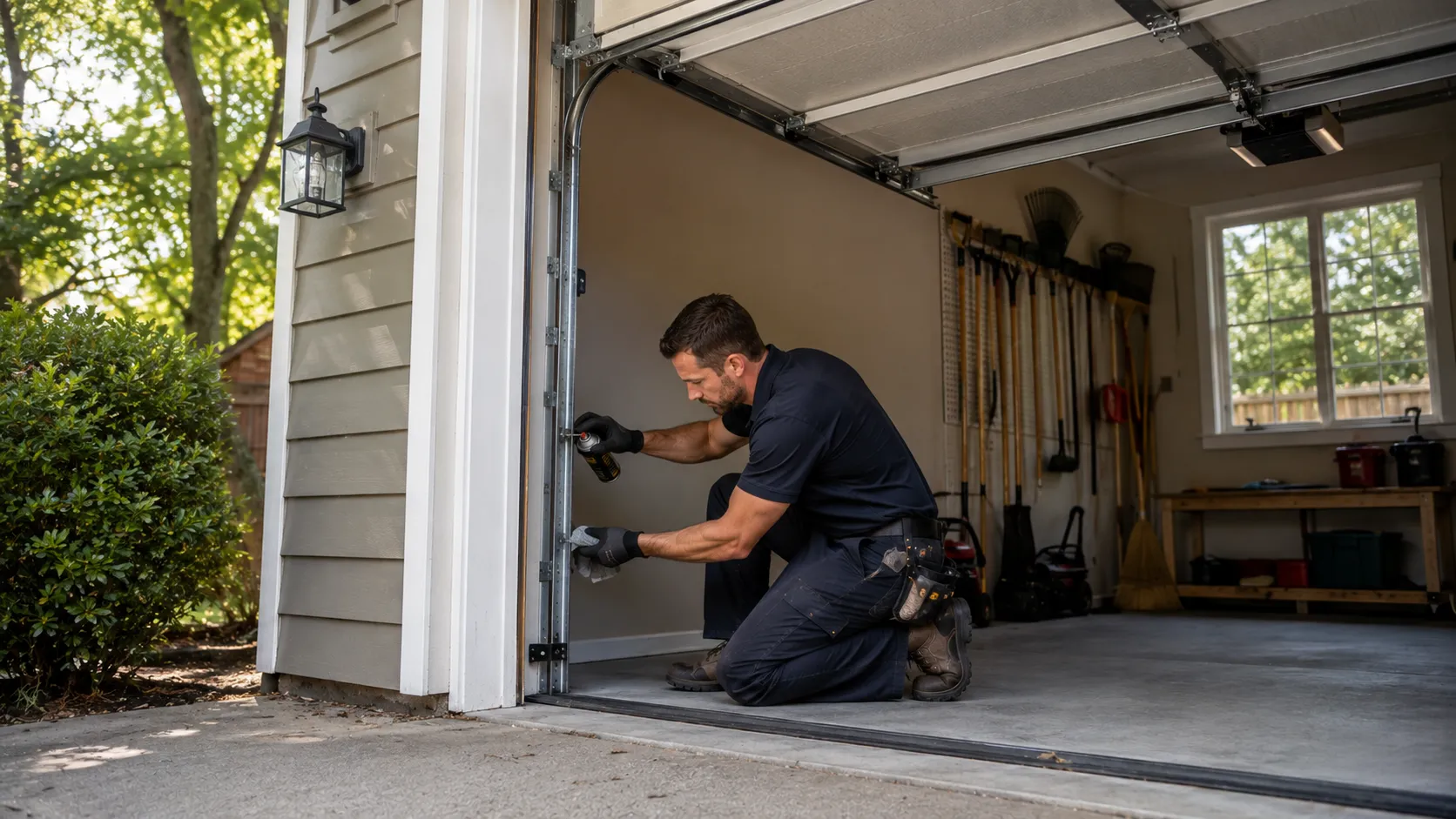
Tune-ups, lubrication, and safety checks that catch a small problem before it becomes a service call.
Learn more →Frequently Asked Questions
Why does my garage door only squeak in winter?
Cold-moderate winters here mean grease inside hinges and rollers thickens as temperatures drop, which is what turns a silent door into a squealing one for a few months. Once the hardware warms back up in spring, the squeak often fades, but the parts wore during that time whether you heard it or not.
My house is from the 1960s. Does that matter for repairs?
It does. Most Oak Park homes went up between 1938 and 1994, and a lot of doors from that era still run original side-mounted torsion hardware. That hardware carries more tension than newer center-mounted systems, and matching parts sometimes takes longer to source than for a door installed in the last ten years.
Is a grinding noise always the spring?
No. Grinding is more often a worn roller or a track that's shifted out of alignment, especially on older doors that have never had the track reset. A broken spring usually announces itself with a bang, not a grind, and the door will typically stop moving altogether.
How much will it cost to fix the noise?
We don't give a number without seeing the door, since a rattle and a failing spring can sound nearly the same over the phone. What we can say is that parts availability on older Oak Park doors, many built in the 1960s and 70s, sometimes affects how fast a repair can happen.
Have a Door That Needs a Second Opinion?
Call and describe what it is doing - we will tell you what it likely is.