
Nearby Community
Garage Door Service for Summit Homeowners
Serving Summit's 1950s housing stock from Oak Park, 7 miles away. Torsion spring, opener, and track repair for the door hardware common on this side of town.
What the Housing Means for Your Door
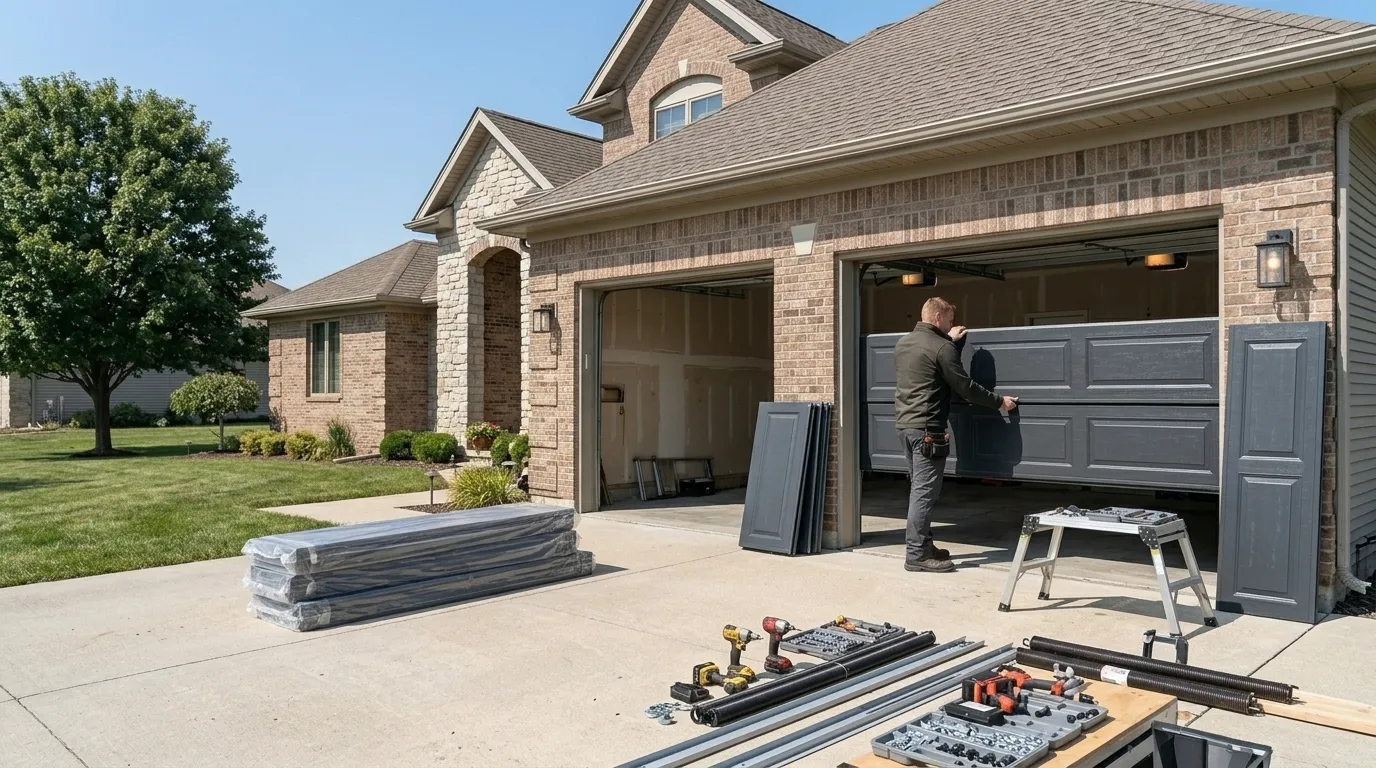
Summit's houses mostly went up around 1958, which puts this area ahead of the wider service region's median build year of 1965. That seven-year gap matters more than it sounds like it should. A house built in the late 1950s was framed for a single-car or narrow double garage opening, and the door hardware installed at the time was almost always a basic extension-spring setup mounted on a low-clearance track - not the torsion systems that became standard through the 1960s and 70s across most of the rest of the coverage area.
What that means on a service call: extension springs stretched along the horizontal track rather than a torsion bar over the header, and often a header with less room than a modern opener bracket expects. If a spring has gone on one of these doors, it's not a quick torsion-spring swap - it's usually a pair of extension springs, sometimes with pulleys and safety cables that were never added when the door was installed.
We don't stock every extension-spring size on the truck for every visit, so on some of these older setups the first trip is a look-and-order rather than a same-day fix. Worth knowing before you call.
Houses this age also tend to have wood jambs rather than the steel jamb kits builders started using later, which changes how a new opener bracket gets mounted if a replacement is on the table.
What People Here Ring About
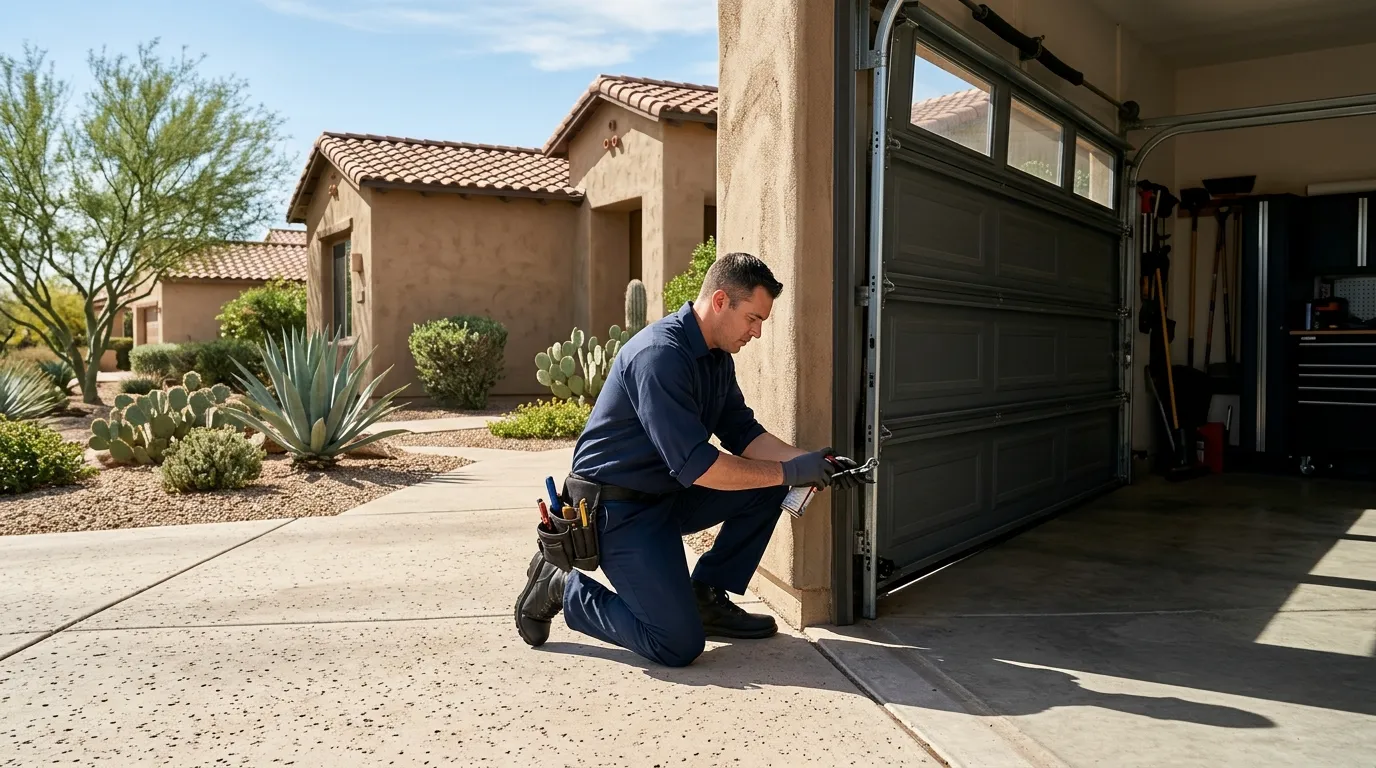
With a median household income of $60,417 in Summit, well under the $83,975 median across the wider service area, most of the calls we get from this side of town lean toward repair over replacement - fixing what's there rather than swapping the whole door. That tracks with the housing: extension-spring systems from the late 1950s can usually be kept running for years with the right parts, rather than needing a full teardown.
Common calls: a door that won't stay up because one extension spring has stretched or snapped while the other held, a track that's pulled away from the jamb on a door frame that's settled over sixty-plus years, or an opener that's been bolted onto original hardware it was never really designed for. We also hear from people whose door slams down hard - a sign the spring tension is gone and the door is running on the opener motor alone, which is hard on the motor and unsafe if anyone's underneath.
We're upfront that a full replacement makes more sense once a door's structure - the wood jamb, the track brackets, the section panels - has degraded past the point where new springs and a serviced track will hold. That's not every call, but it's some of them, and we'll tell you which one you're looking at before any work starts.
Getting Here
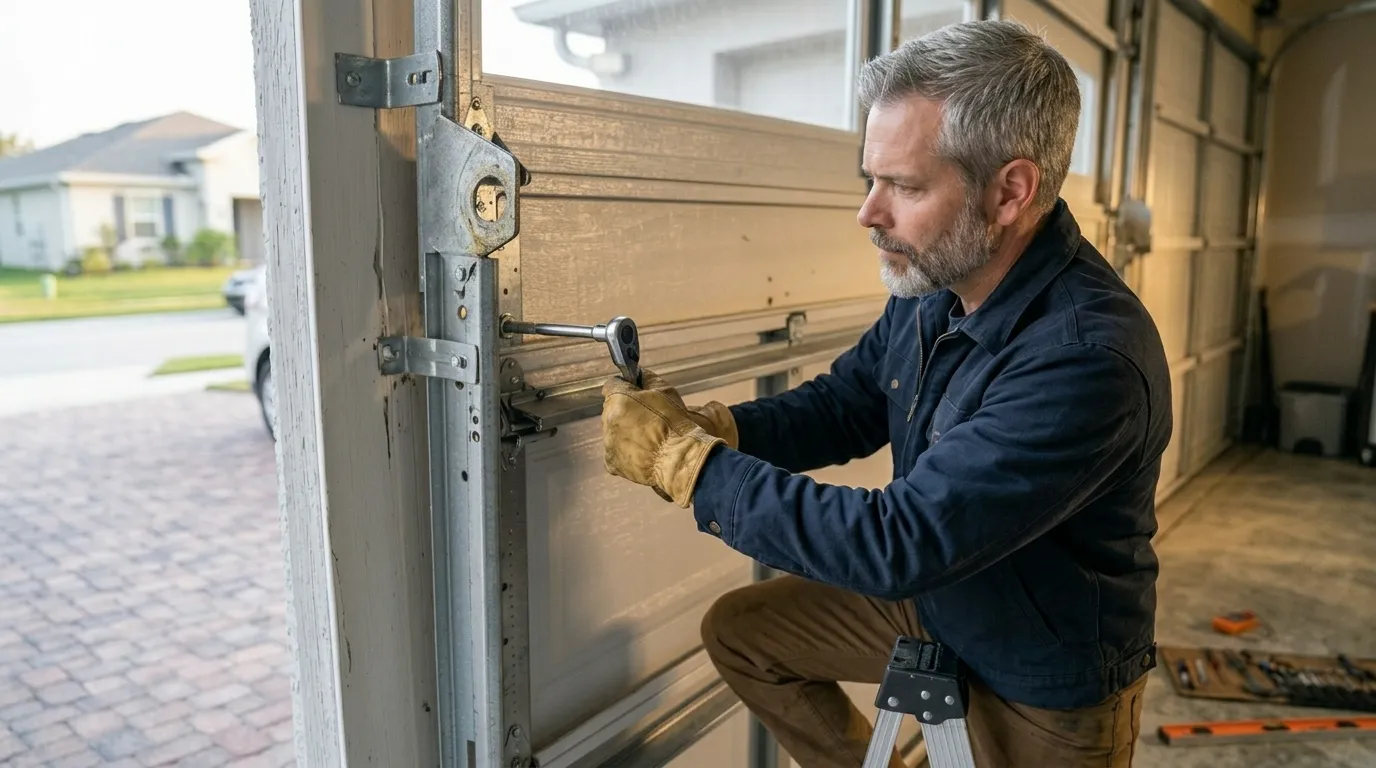
Summit sits about 7 miles from our Oak Park location, and we route out to jobs here rather than running a local depot - there's no Summit branch, just a truck coming from Oak Park with the parts loaded for the call. That distance means we plan the trip around what the job needs; if a repair turns out to need a part we don't carry for older extension-spring setups, we're clear about that up front rather than guessing on-site.
We also cover the towns between here and Oak Park along the way - Stickney, Lyons, Forest View, and Brookfield are all closer in, with McCook and La Grange also in range at similar distances. If you're near the edge of Summit toward any of those, mention it when you call; it doesn't change the work, just the routing.
What Was Built Here
The bulk of Summit's housing dates to around 1958, sitting at the earlier end of the 1938-to-1994 range found across the broader service area, where the typical house is closer to a 1965 build. With roughly 3,617 households in Summit itself, this is a small, tightly built pocket compared to the 219,368 owner-occupied houses spread across all 85 named areas the company reaches from Oak Park.
The practical result is a lot of original garage doors - or first-generation replacements - installed on hardware from before torsion systems became the norm. Steel doors from this era tend to be lighter-gauge than what's sold today, and insulation, if there is any, is usually a thin foam liner rather than the sandwich-panel construction used now. In the region's cold-moderate climate, that thinner build shows up as more noise, more flex in wind, and faster wear on rollers that were never sealed or lubricated to modern standards.
None of this means the doors are failing - plenty are still working fine - but it does mean that when something does go wrong, the fix usually involves parts sized for an older opening rather than whatever's on the shelf at a big-box store.
How We Can Help
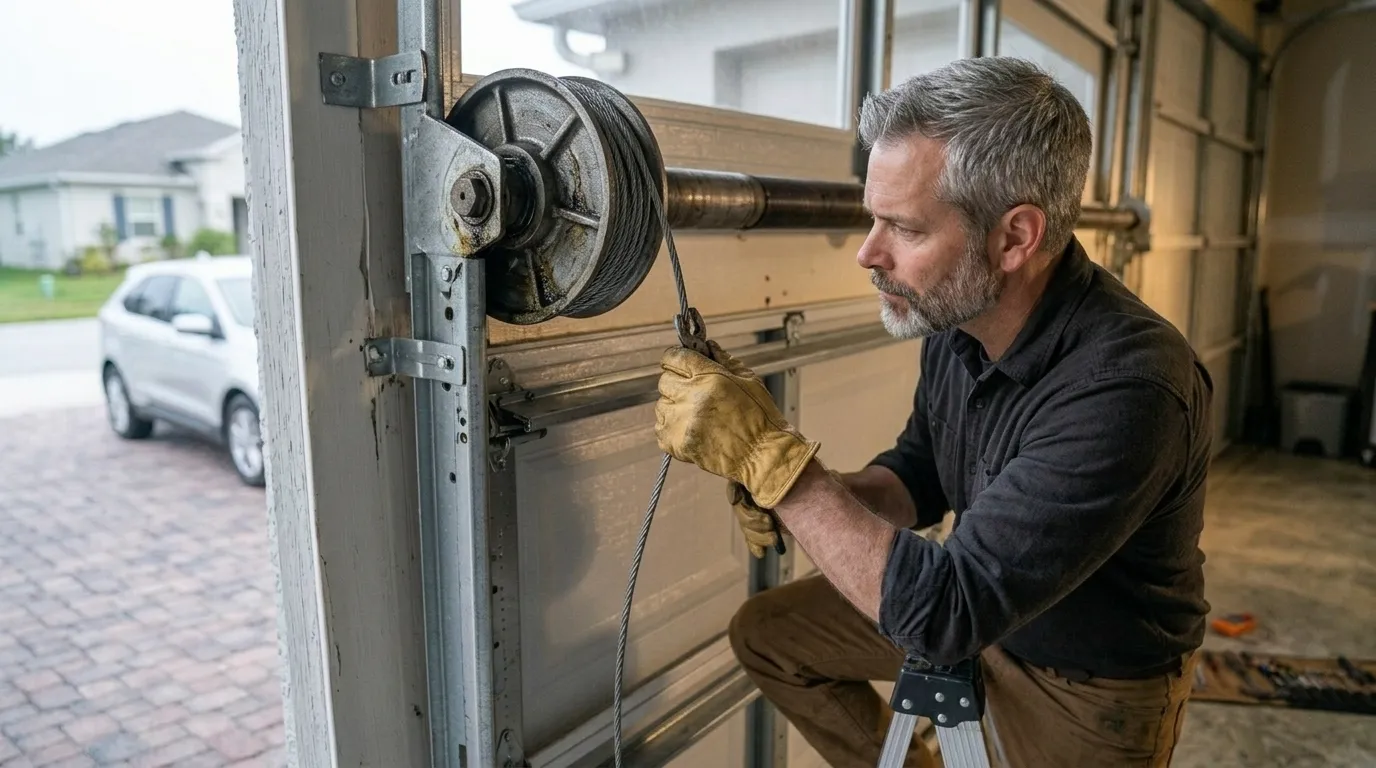
Garage Door Repair
Springs, cables, tracks, rollers, and openers fixed by a tech who explains the problem before touching anything.
Learn more →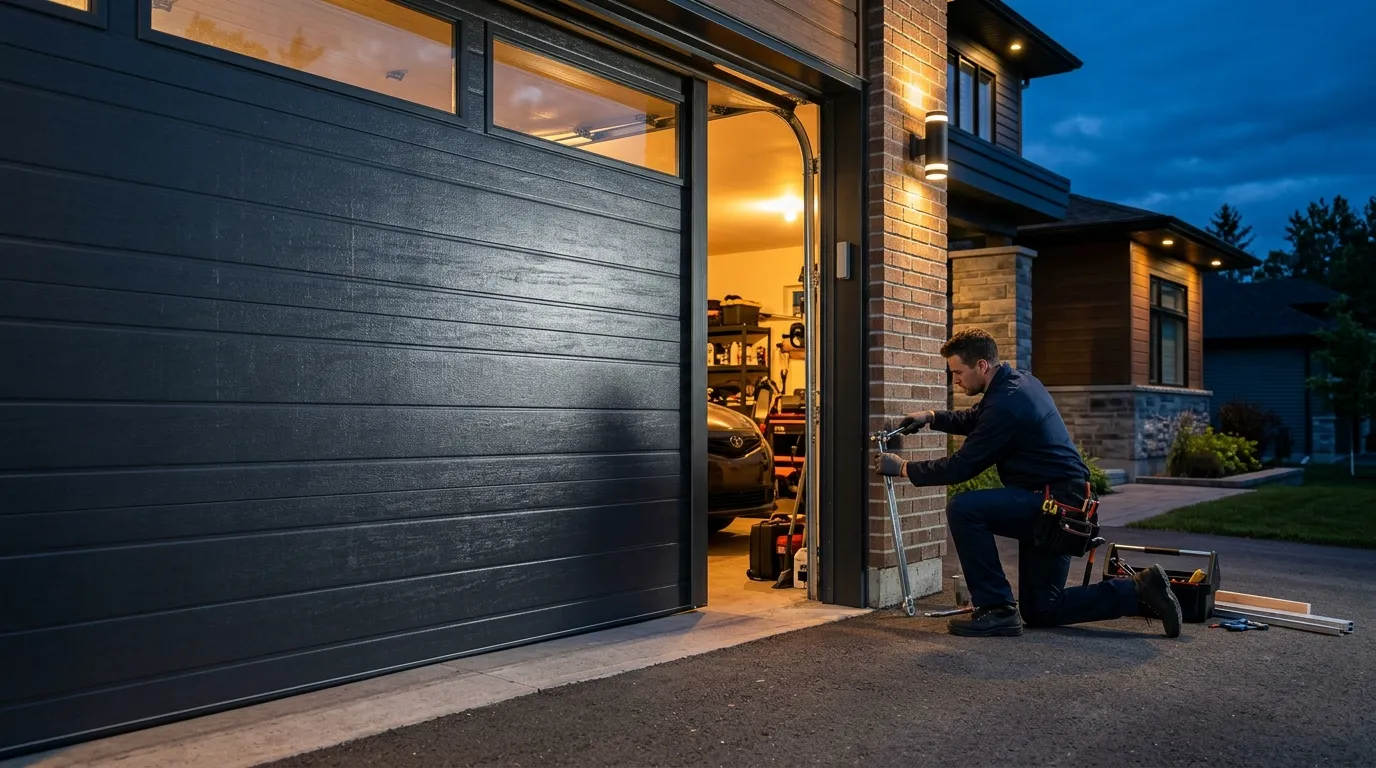
Garage Door Installation
New sectional doors sized and installed for the housing stock actually built in this area.
Learn more →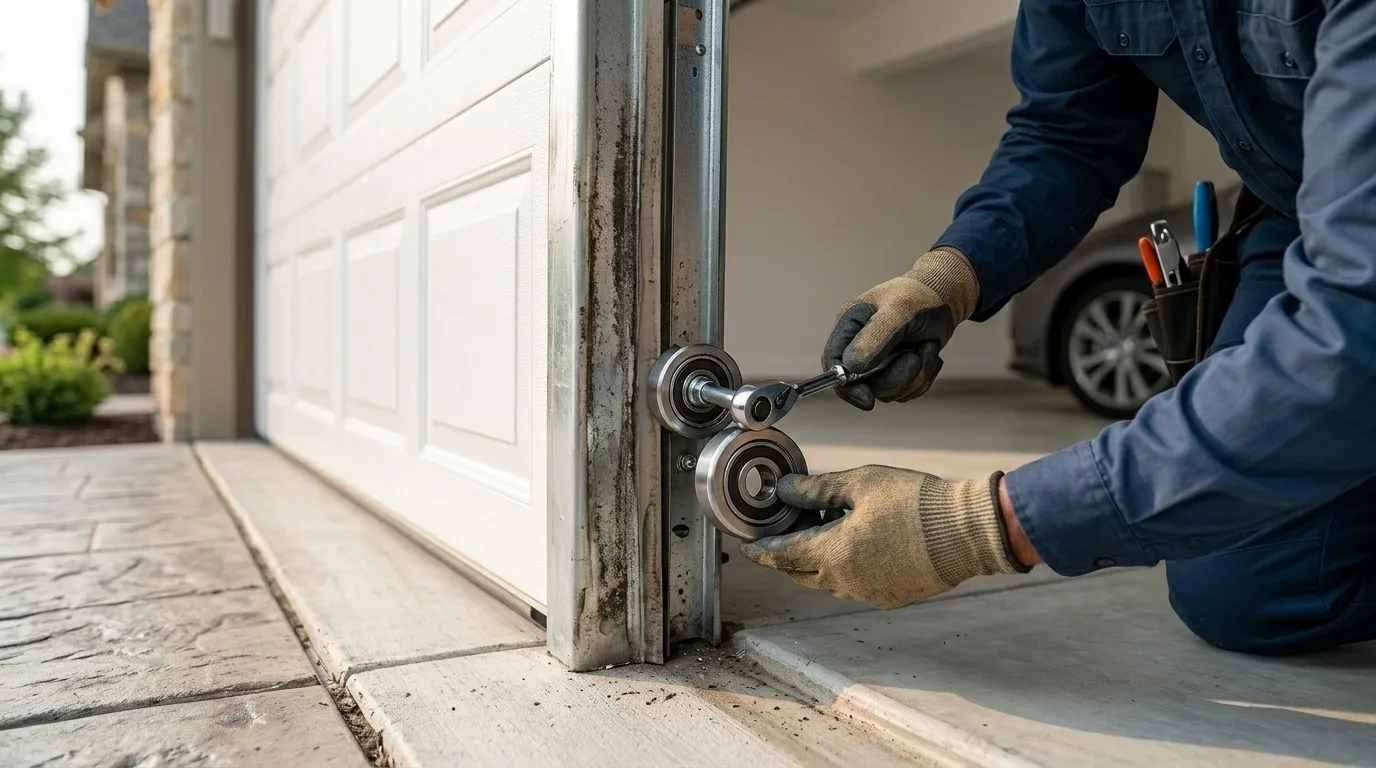
Garage Door Service
Tune-ups, lubrication, and safety checks that catch a small problem before it becomes a service call.
Learn more →What Happens When You Call
-
1
Call or Request a Quote
Tell us what the door is doing and roughly how old the house is - that alone points us toward the likely part before a truck leaves.
-
2
On-Site Diagnosis
A tech checks the spring, cables, tracks, and opener in person and tells you plainly what is actually wrong.
-
3
Straight Price, No Surprises
You get a number before any work starts. It covers parts and labor, nothing added after the fact.
-
4
Fixed the Same Visit
Most repairs are done in one trip. If a part needs sourcing, we tell you that upfront instead of guessing.
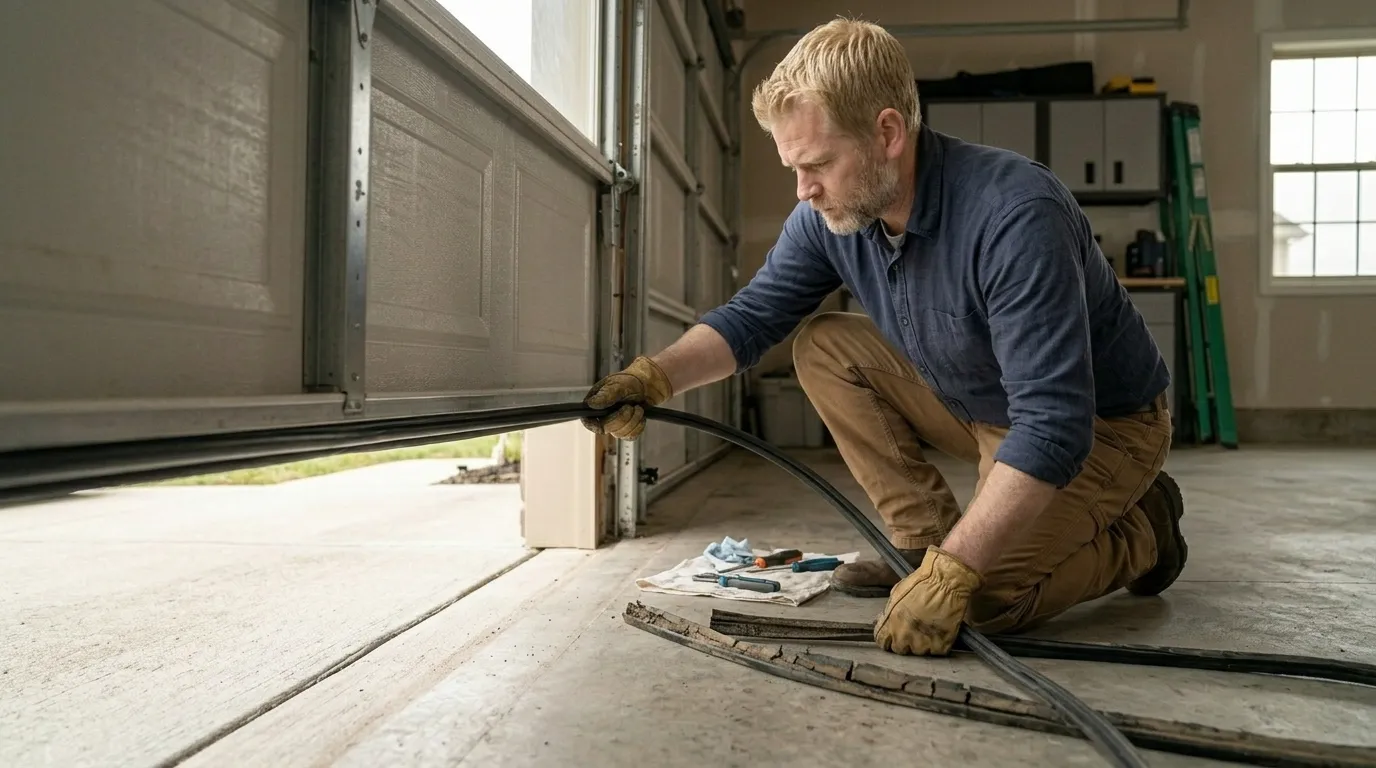
Recent Work Near Summit
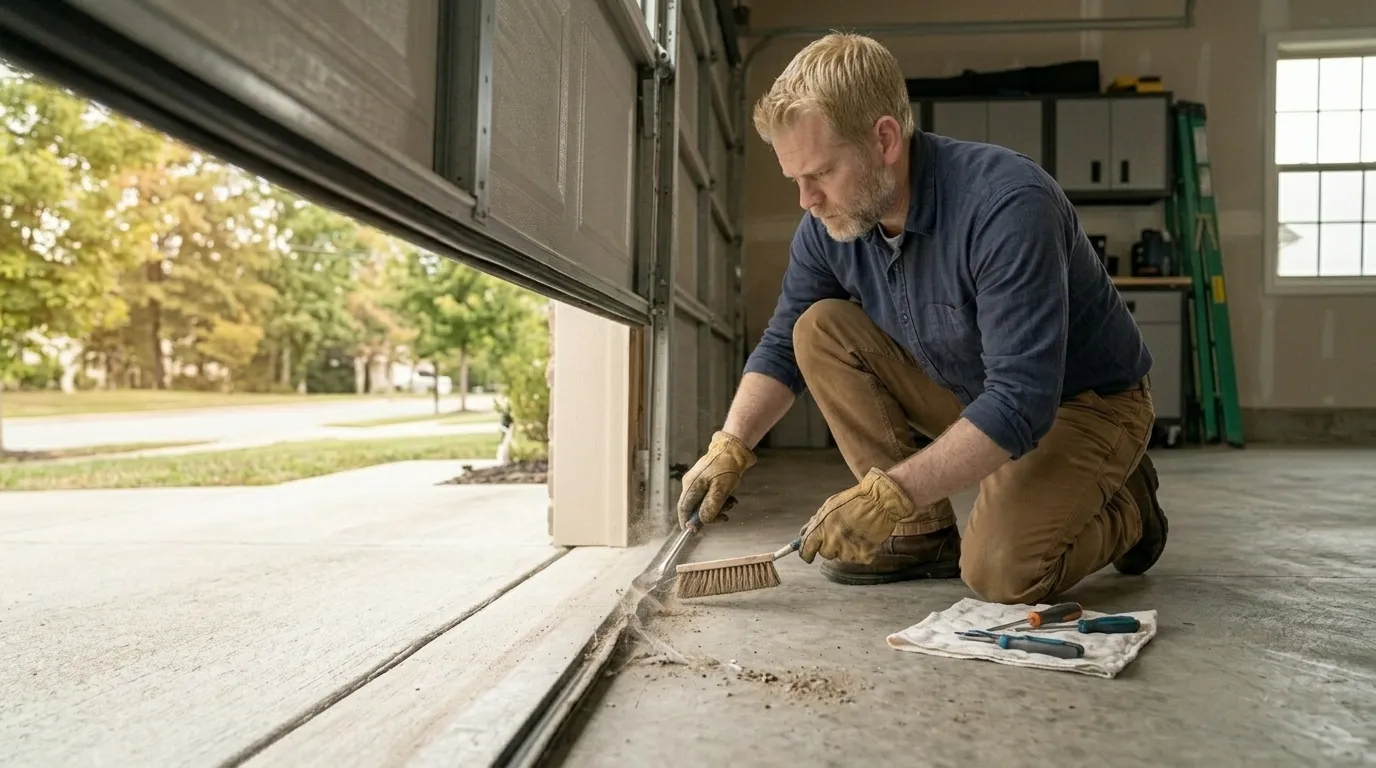
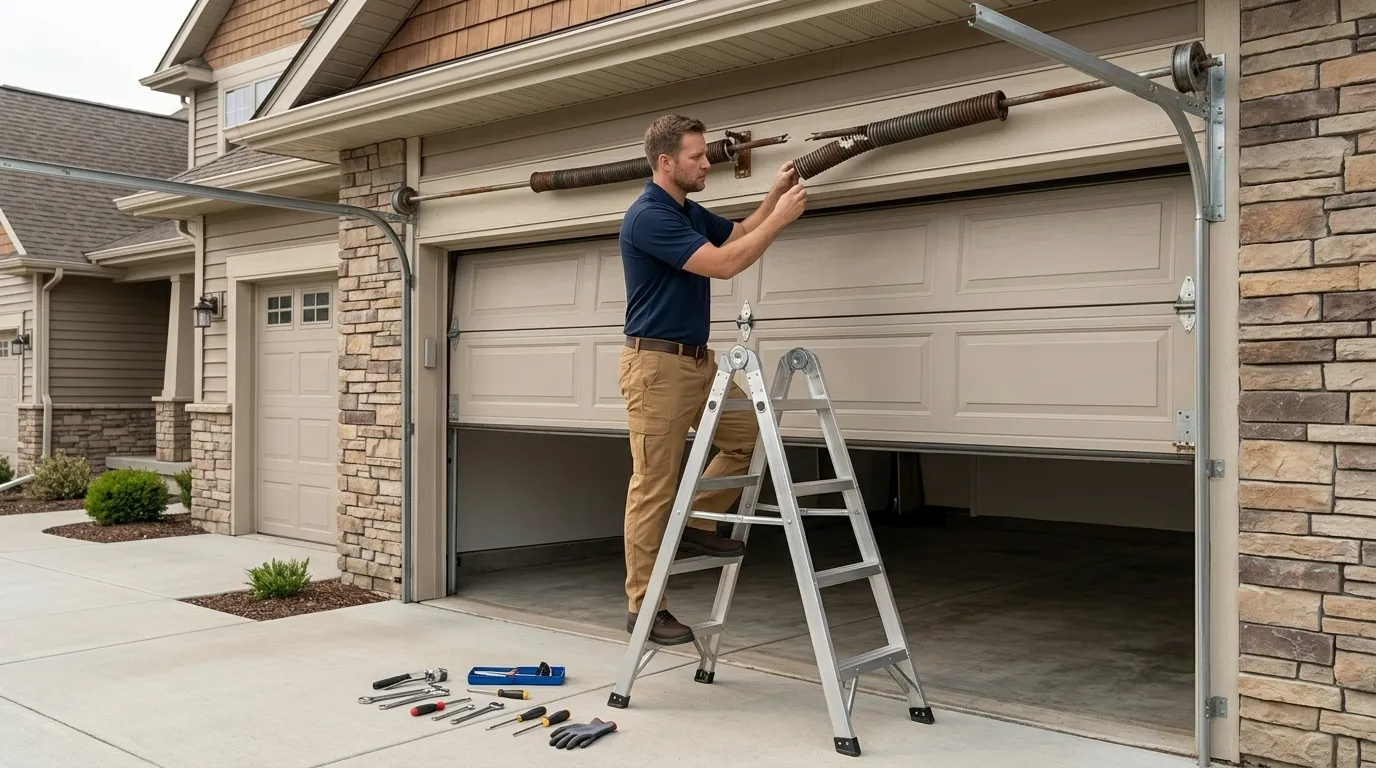
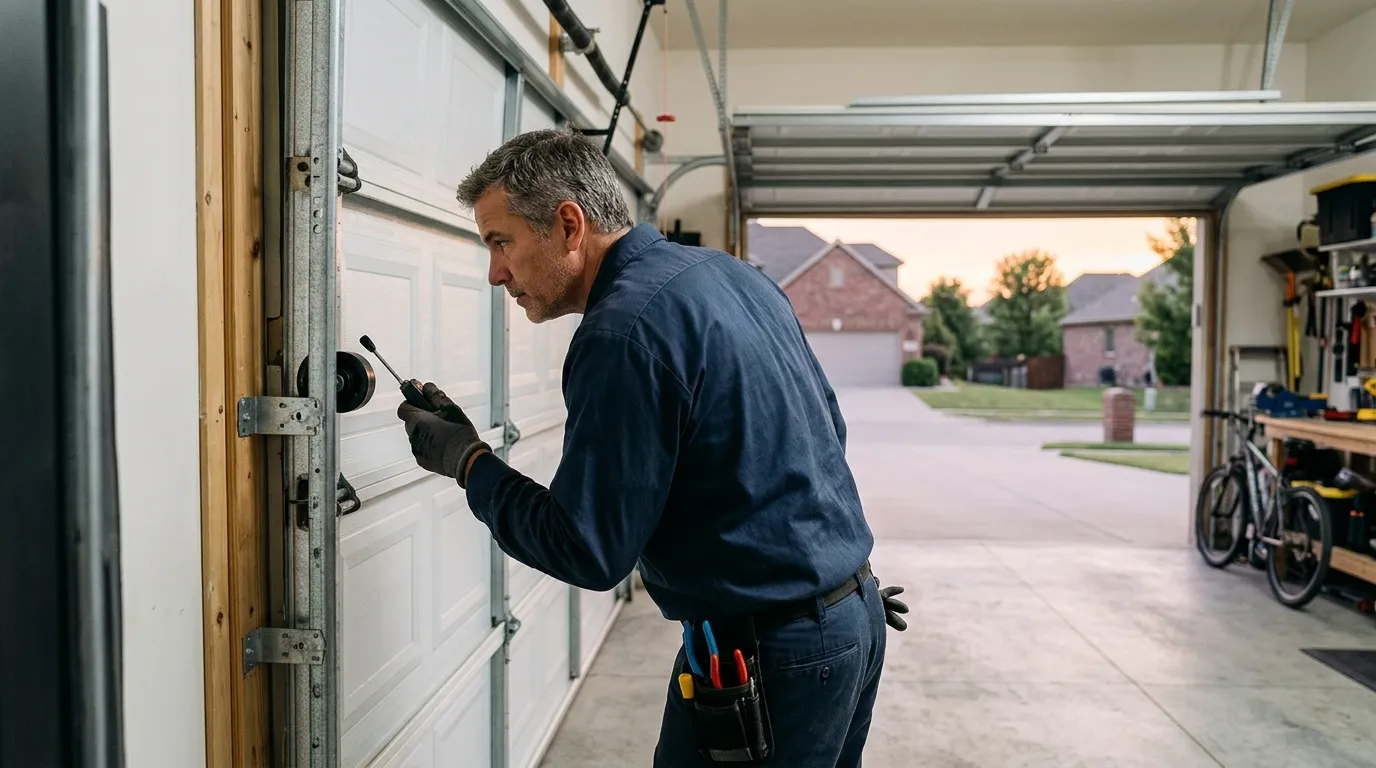
Frequently Asked Questions
Why would a spring repair on my Summit house take longer than expected?
A lot of Summit's houses date to around 1958 and were built with extension-spring hardware rather than the torsion systems more common on newer doors. We don't always carry every extension-spring size for that older setup on the truck, so some jobs need a return trip once the right part is sourced.
Do you have a location in Summit?
No. We run out of Oak Park, about 7 miles away, and travel to Summit for calls. There's no local depot here, so response depends on the trip from Oak Park rather than a nearby branch.
Is it worth replacing an old door instead of repairing it?
Depends on the door. If the jamb and track structure are sound, repairing 1950s-era extension-spring hardware is usually the cheaper route. Once the wood jamb or track brackets have degraded past what a repair can hold, replacement makes more sense, and we'll say so plainly if that's what we find.
Does Summit's older housing affect what opener I can install?
It can. Houses built around 1958 often have wood jambs and less header clearance than newer construction, which changes how an opener bracket mounts. We check that before recommending a specific unit rather than assuming a standard install.